
Wedge house
Transformation of a house in Haarlem (NL)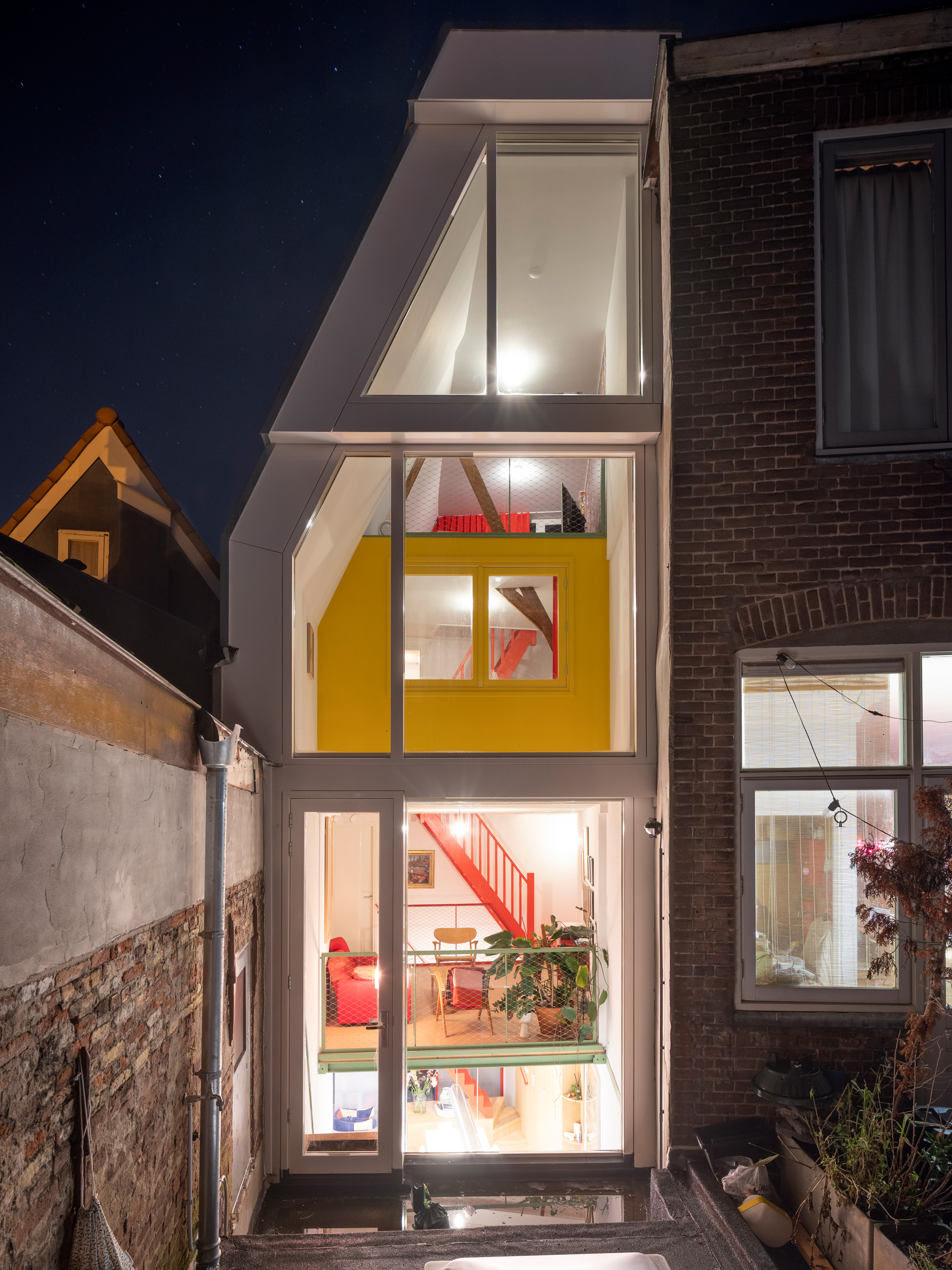
Balancing sustainability with the historical characteristics of the building into a colorful and spacious family home.
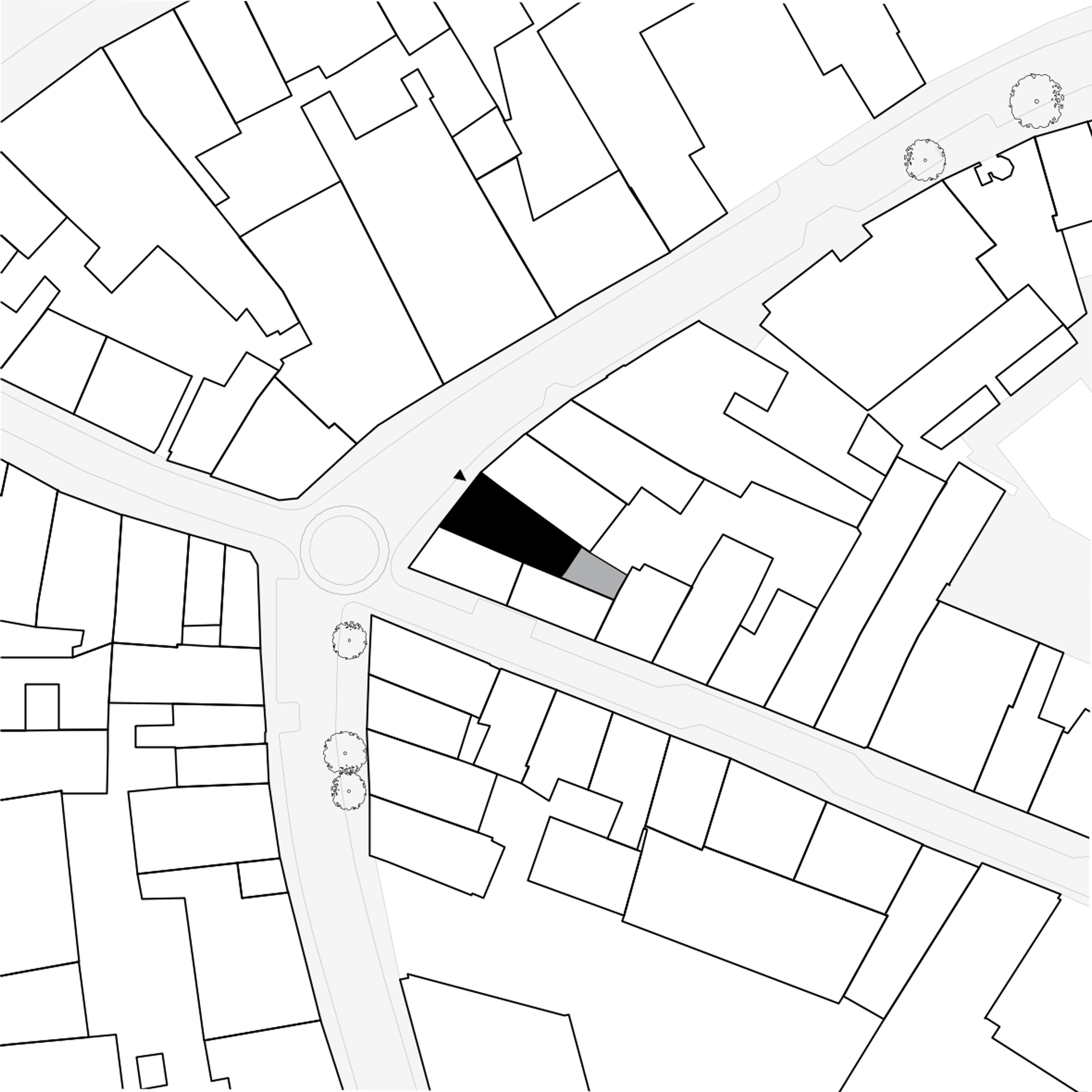
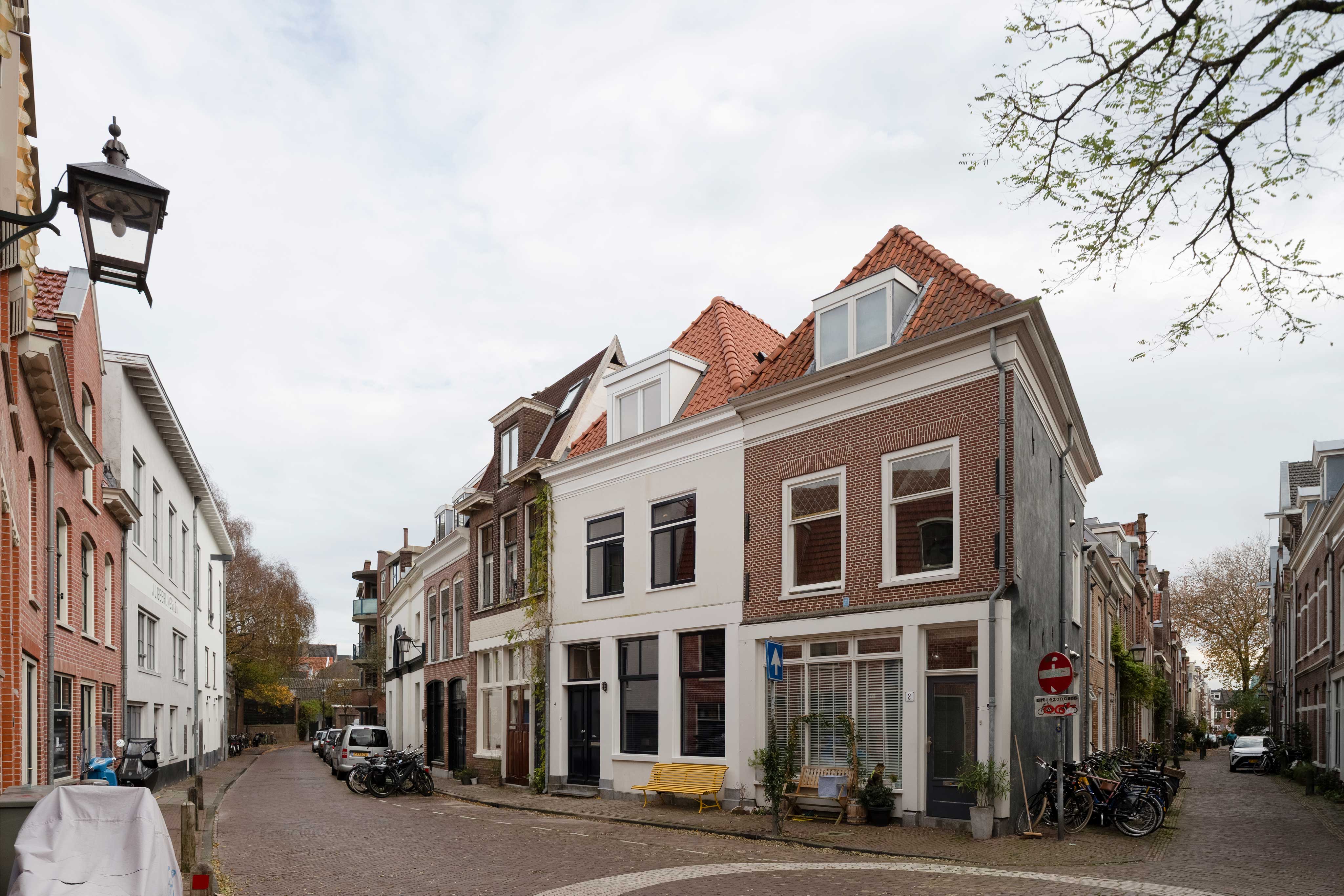
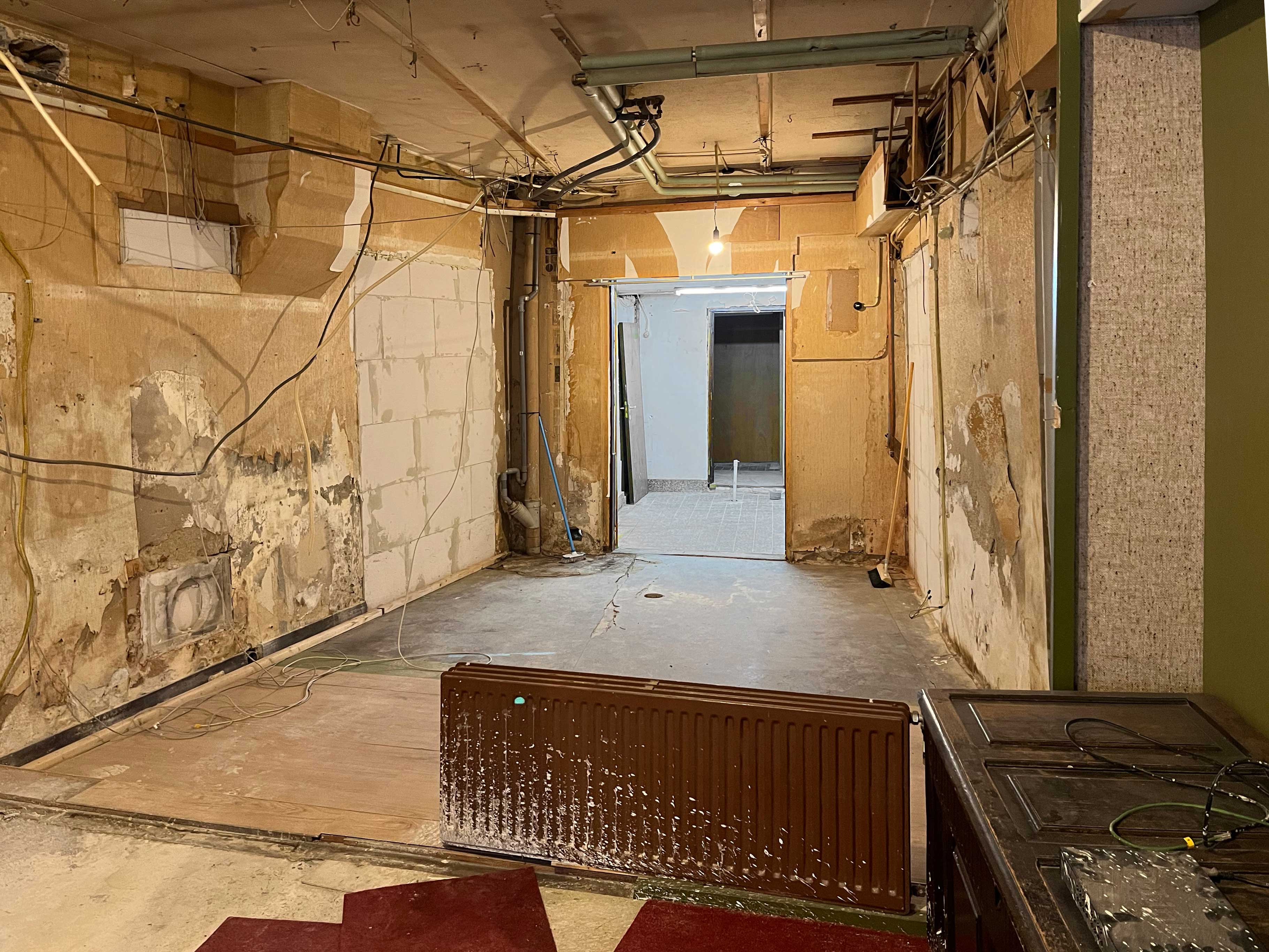
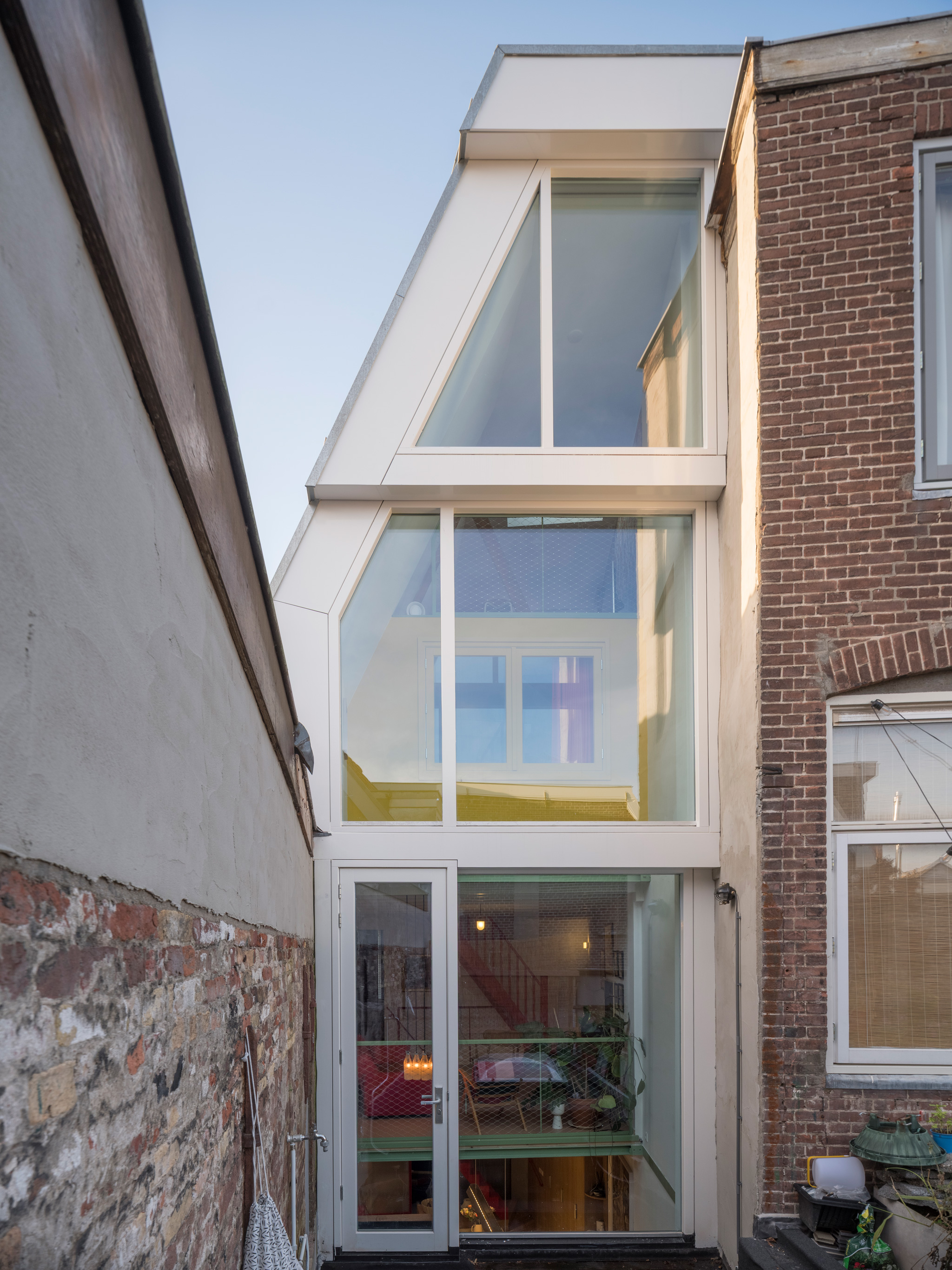
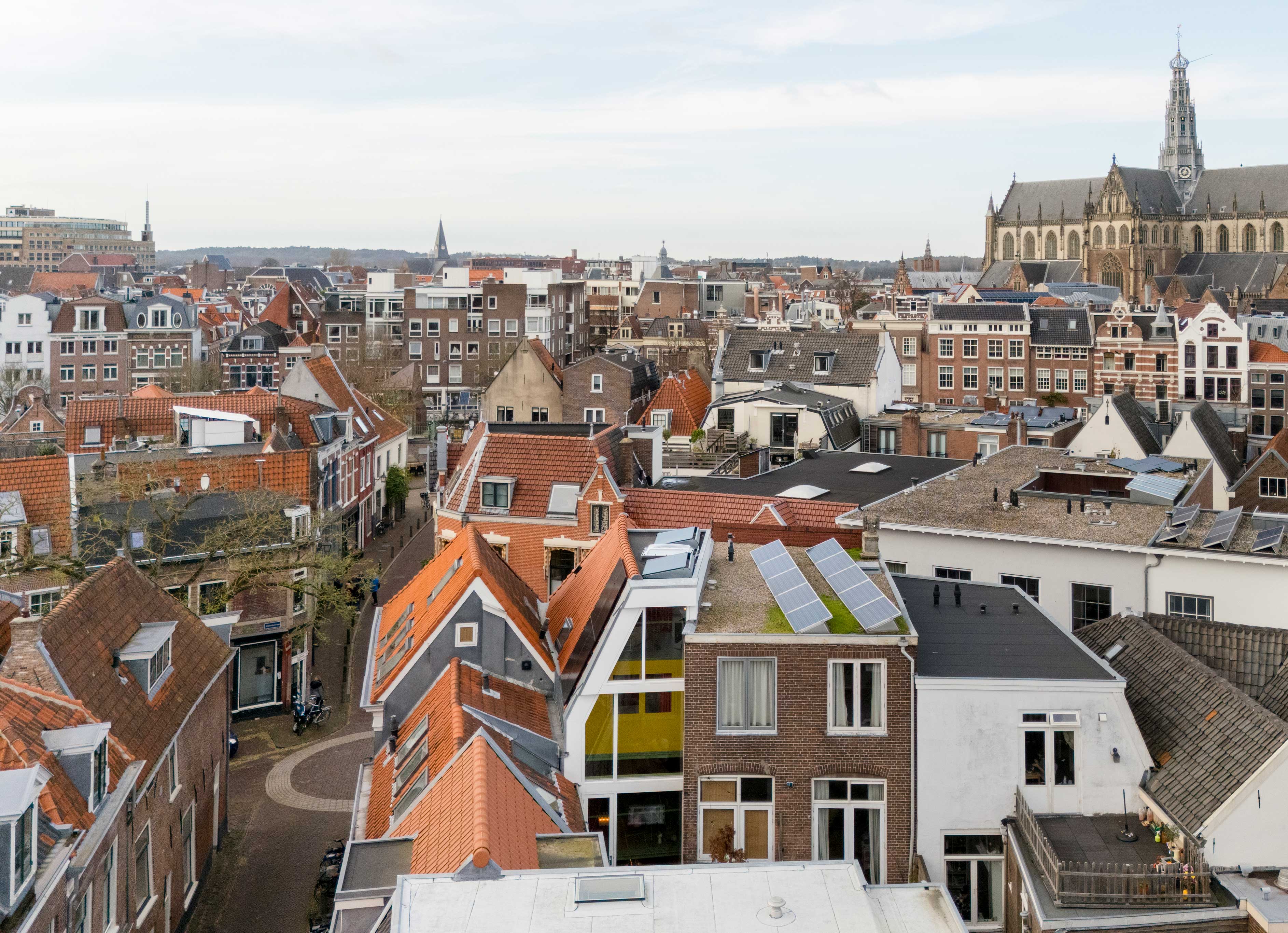
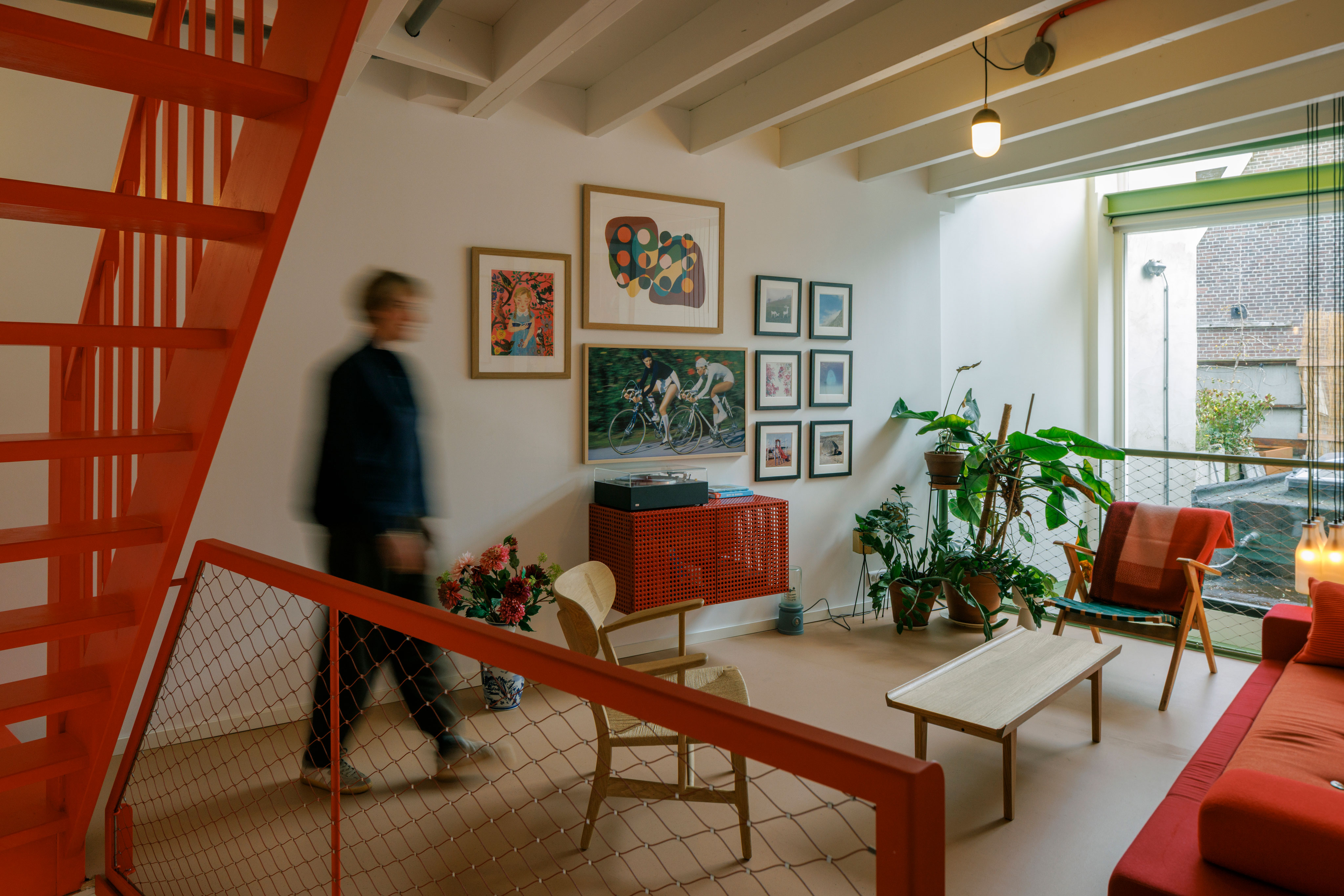
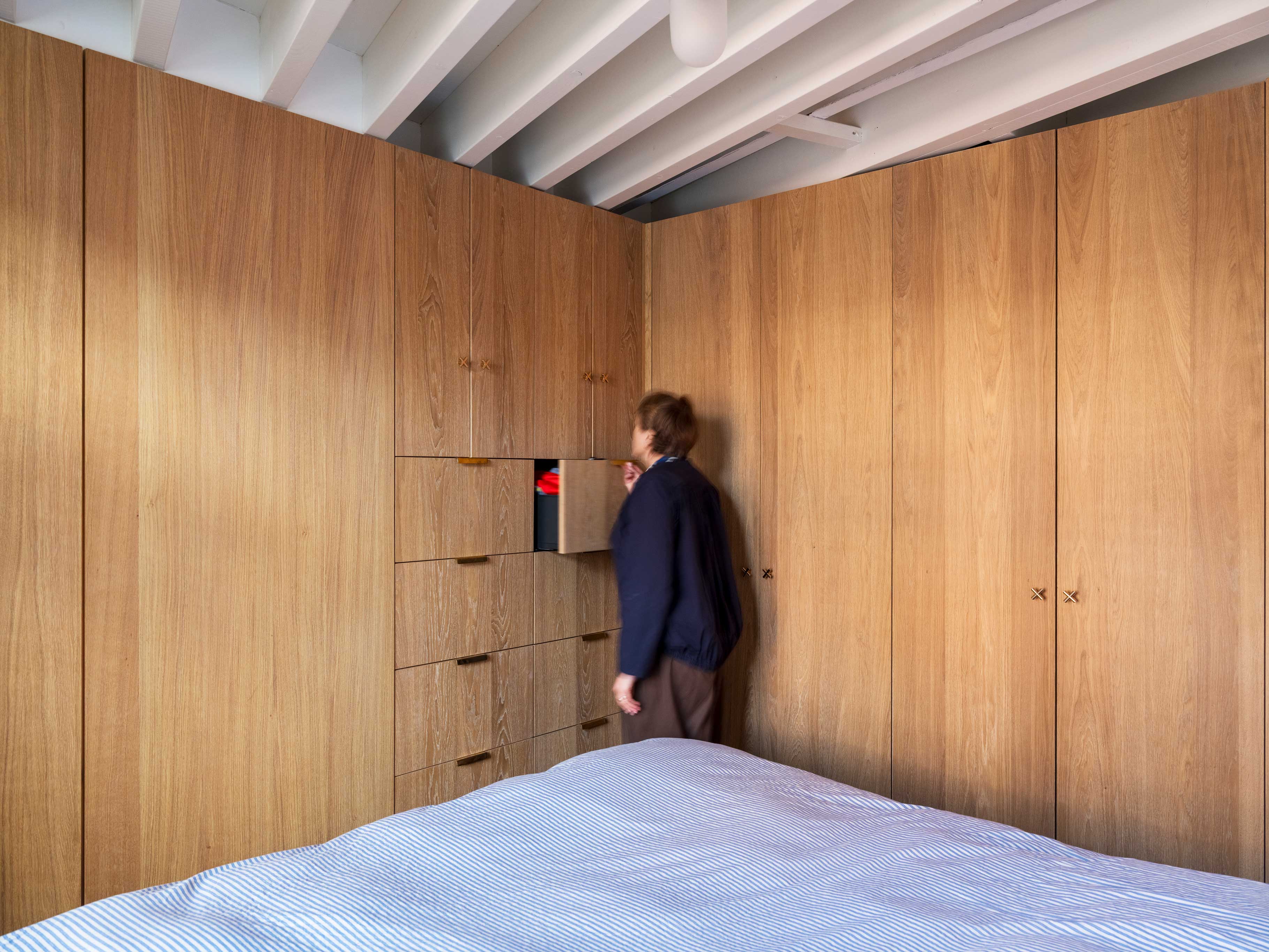
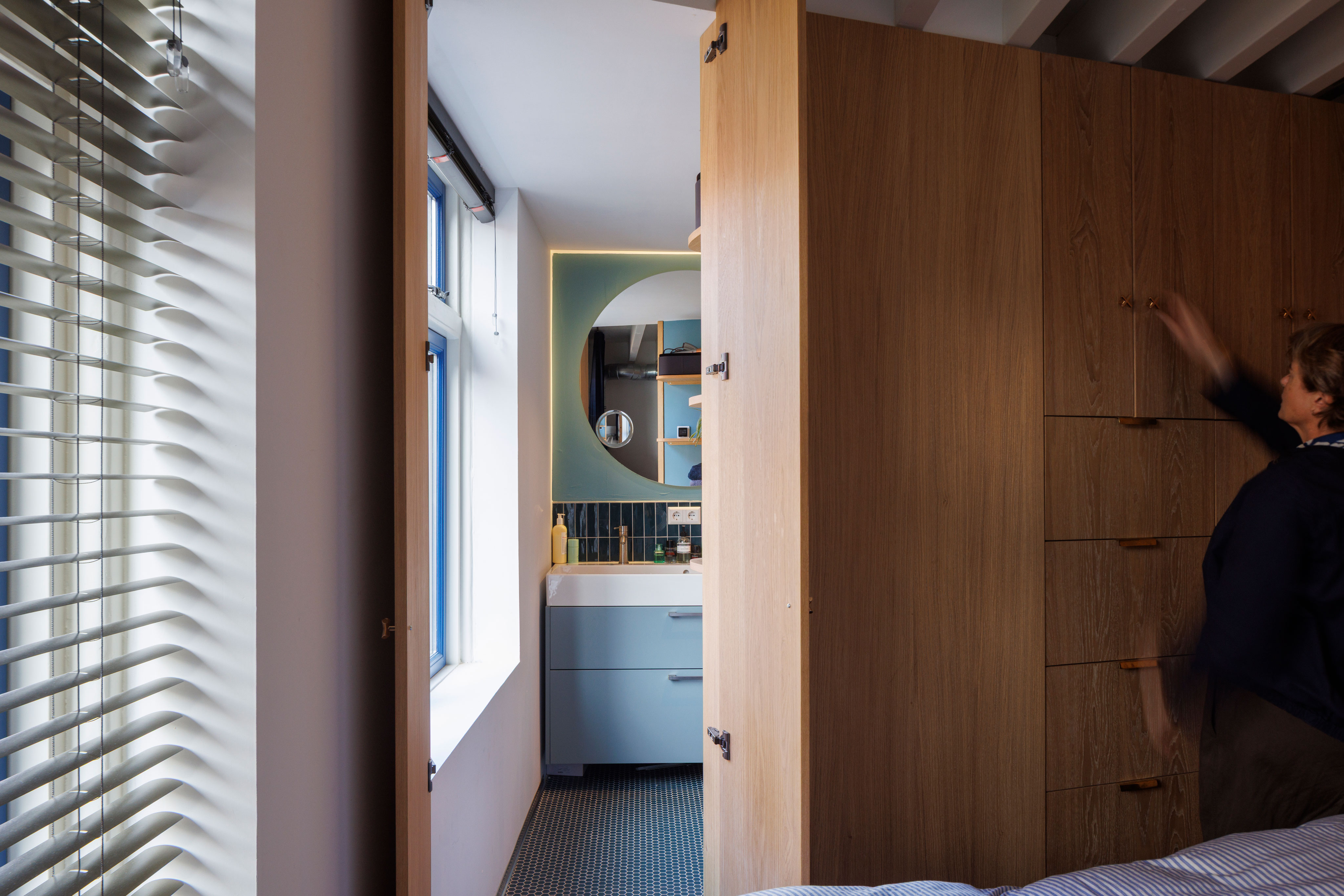
Set in the historic heart of Haarlem, Netherlands, this mid-terrace house has been transformed into a light-filled, energy-efficient family home. It was originally built around 1626 on the foundations of what was once a chapel. The property was bought in a dilapidated state by the clients. They wanted to make it into a bright, durable house with adaptable spaces that would evolve with their family needs. Besides that, they would love to keep the historical character to be preserved whilst introducing a new, stunning architectural feature. The result is a spacious, carefully insulated and airtight dwelling that has achieved an A+++ energy label — a rare feat for a 17th century building.
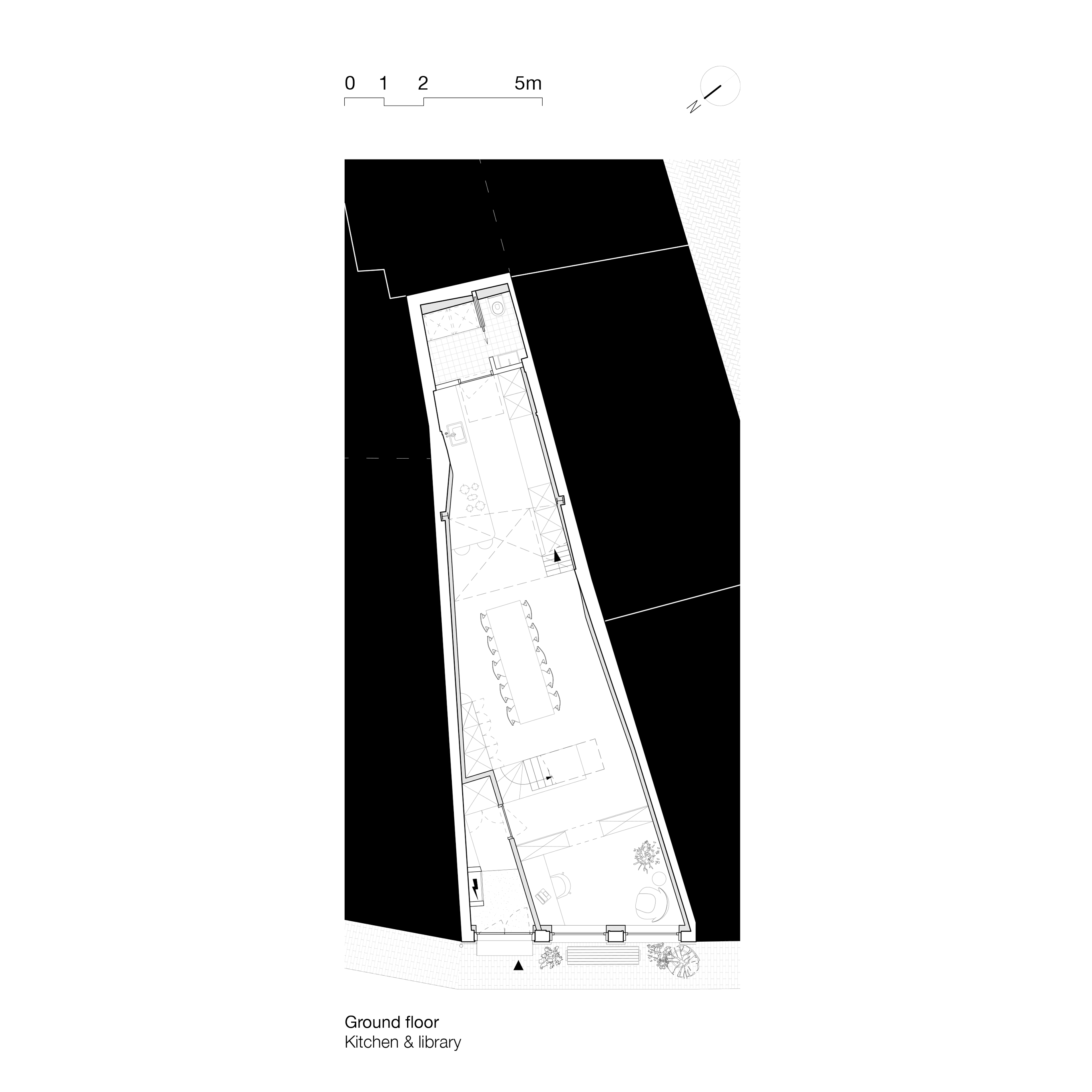
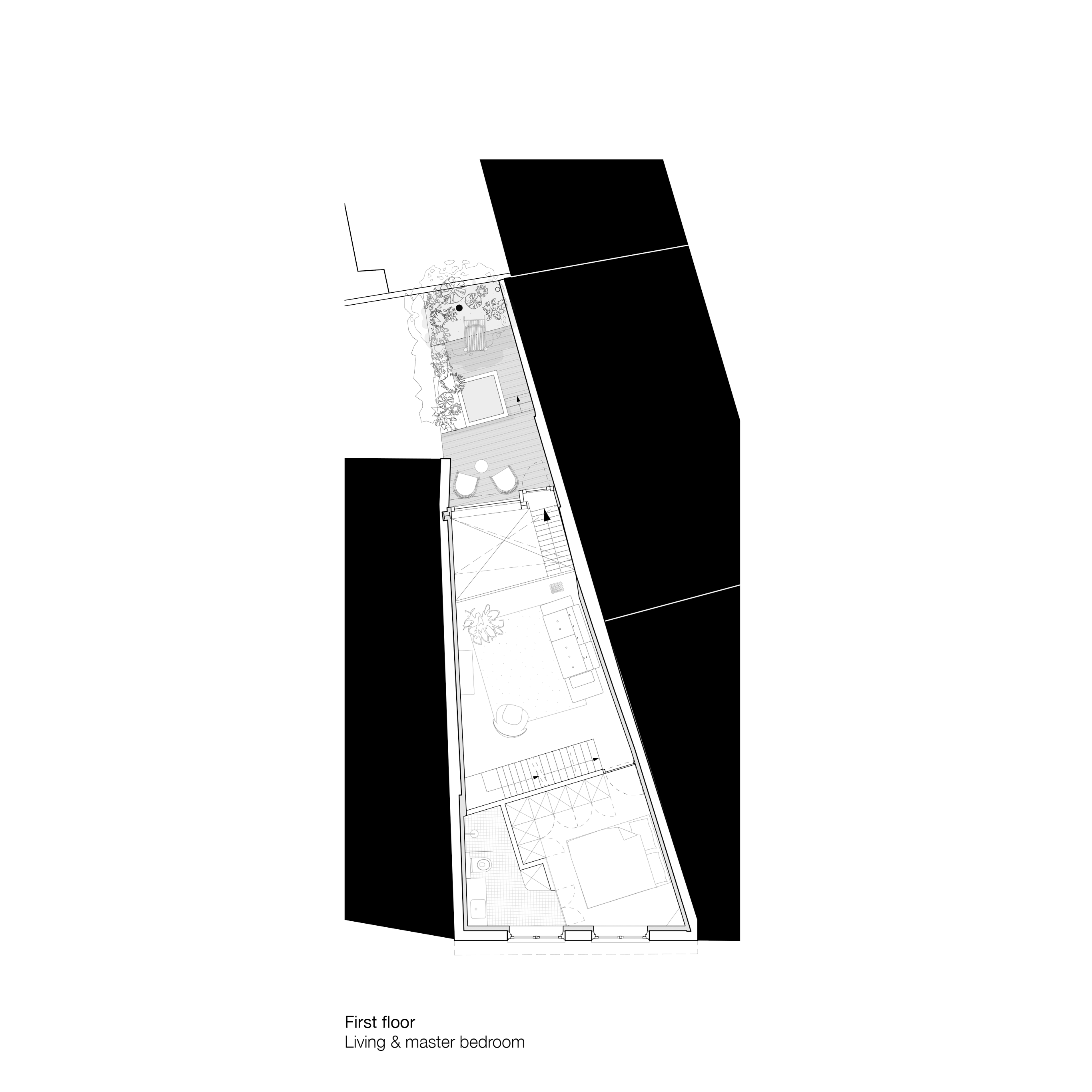
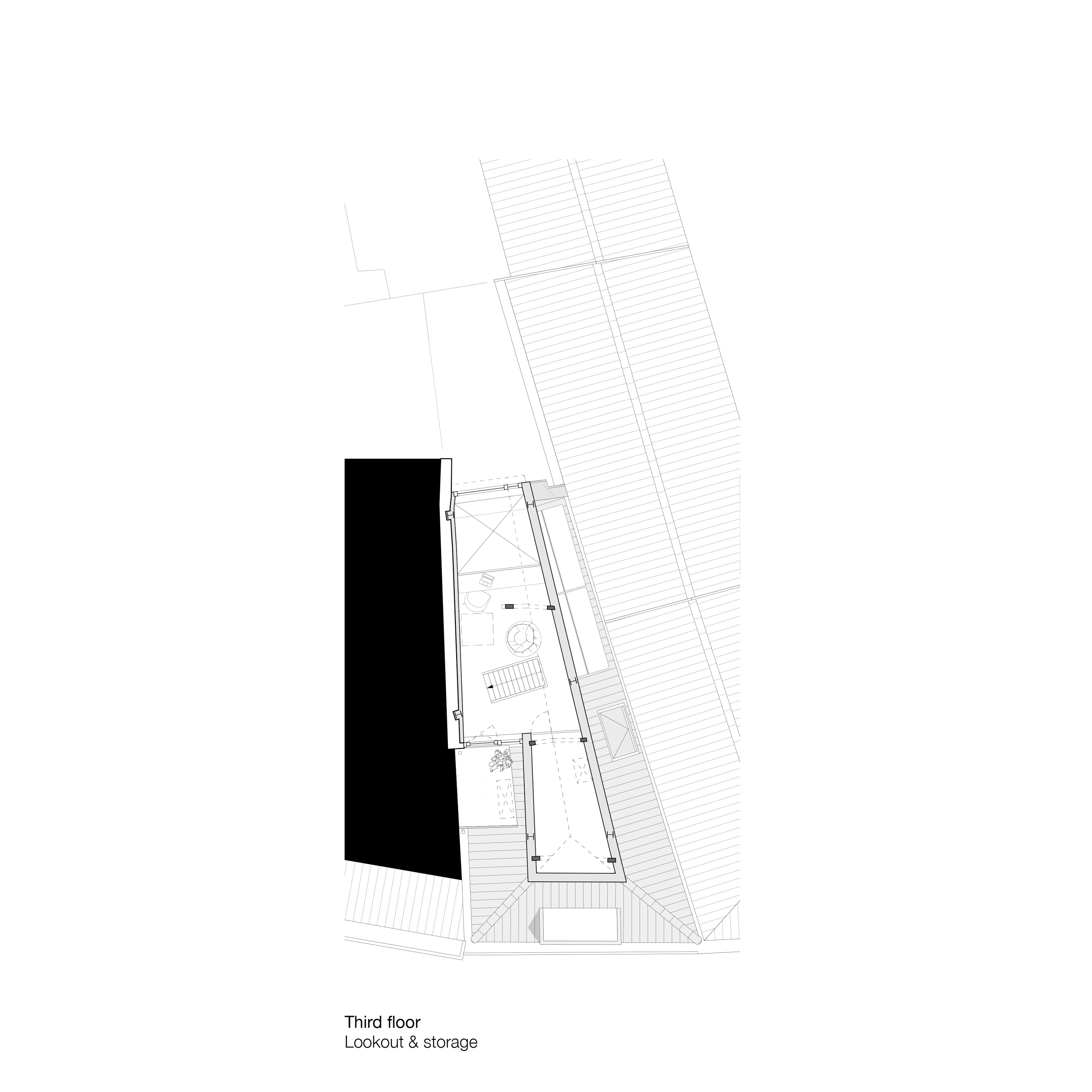
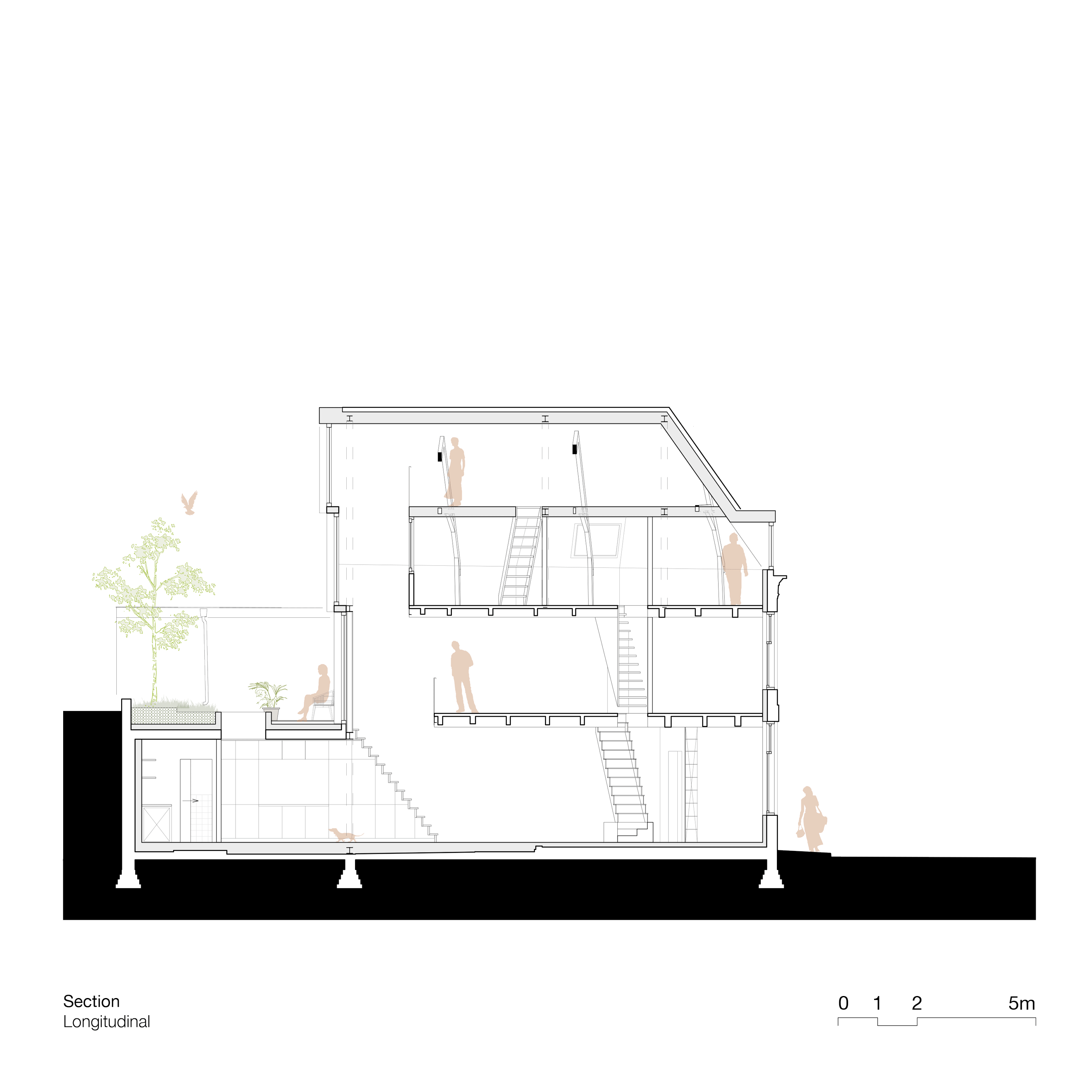
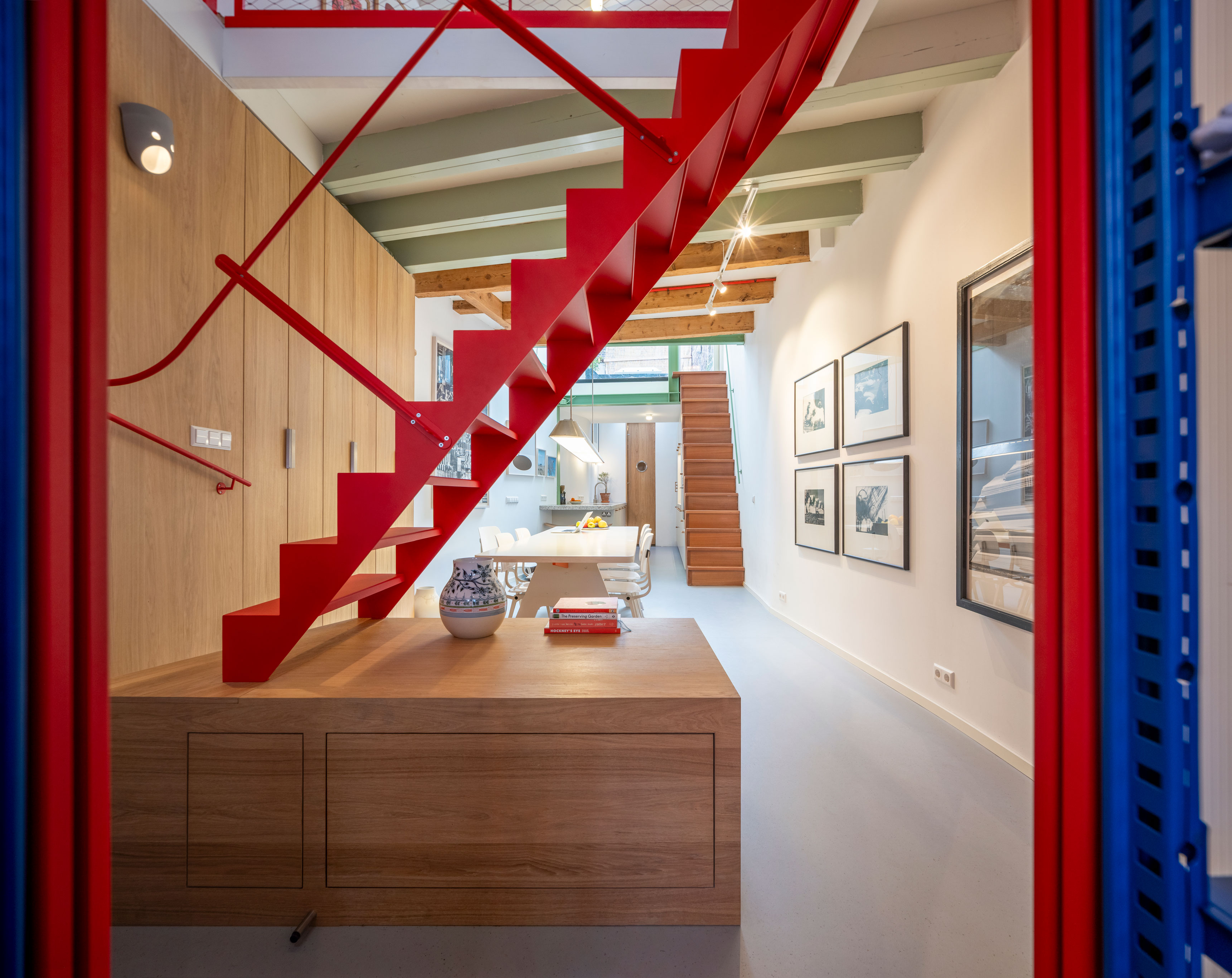
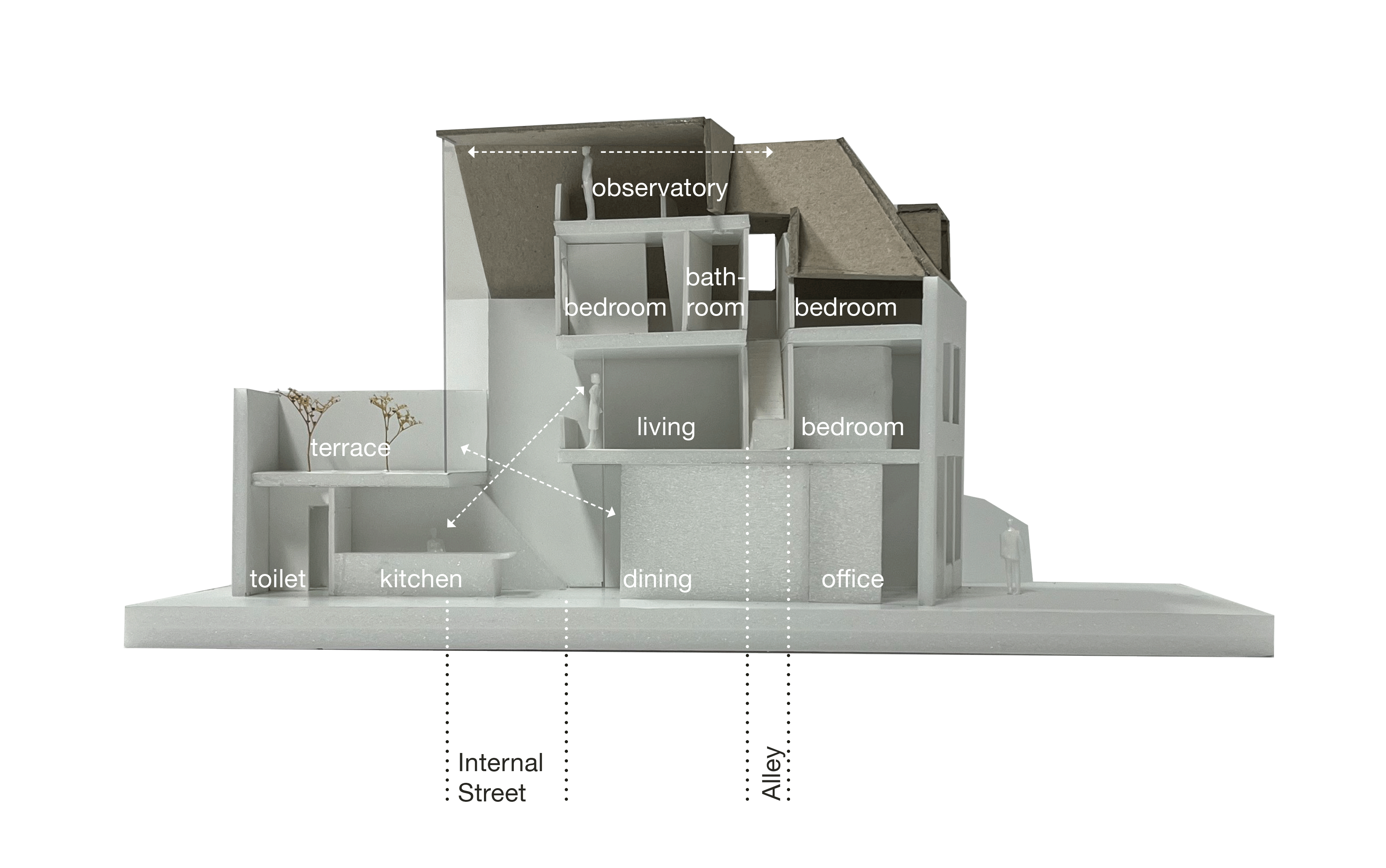
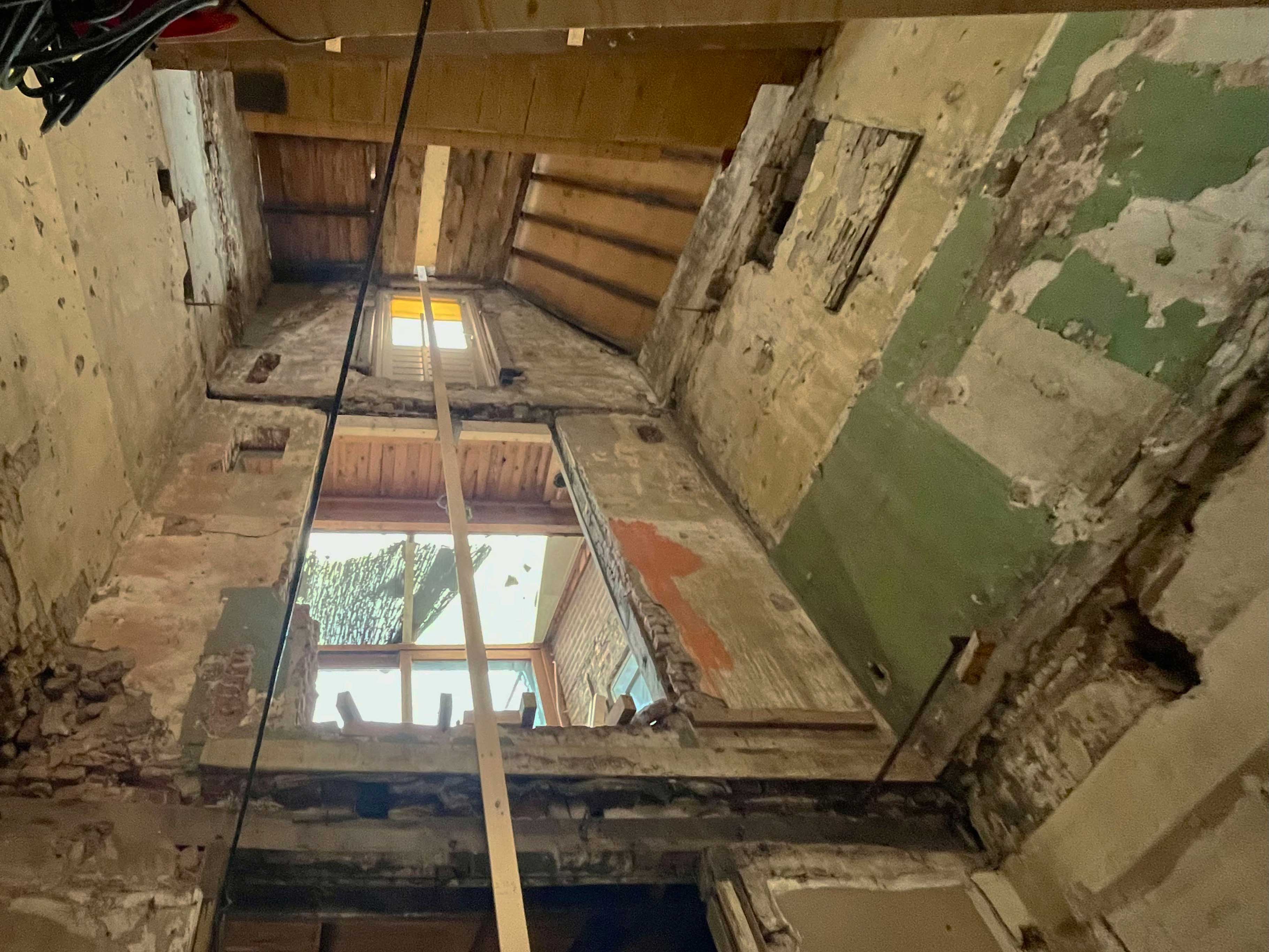
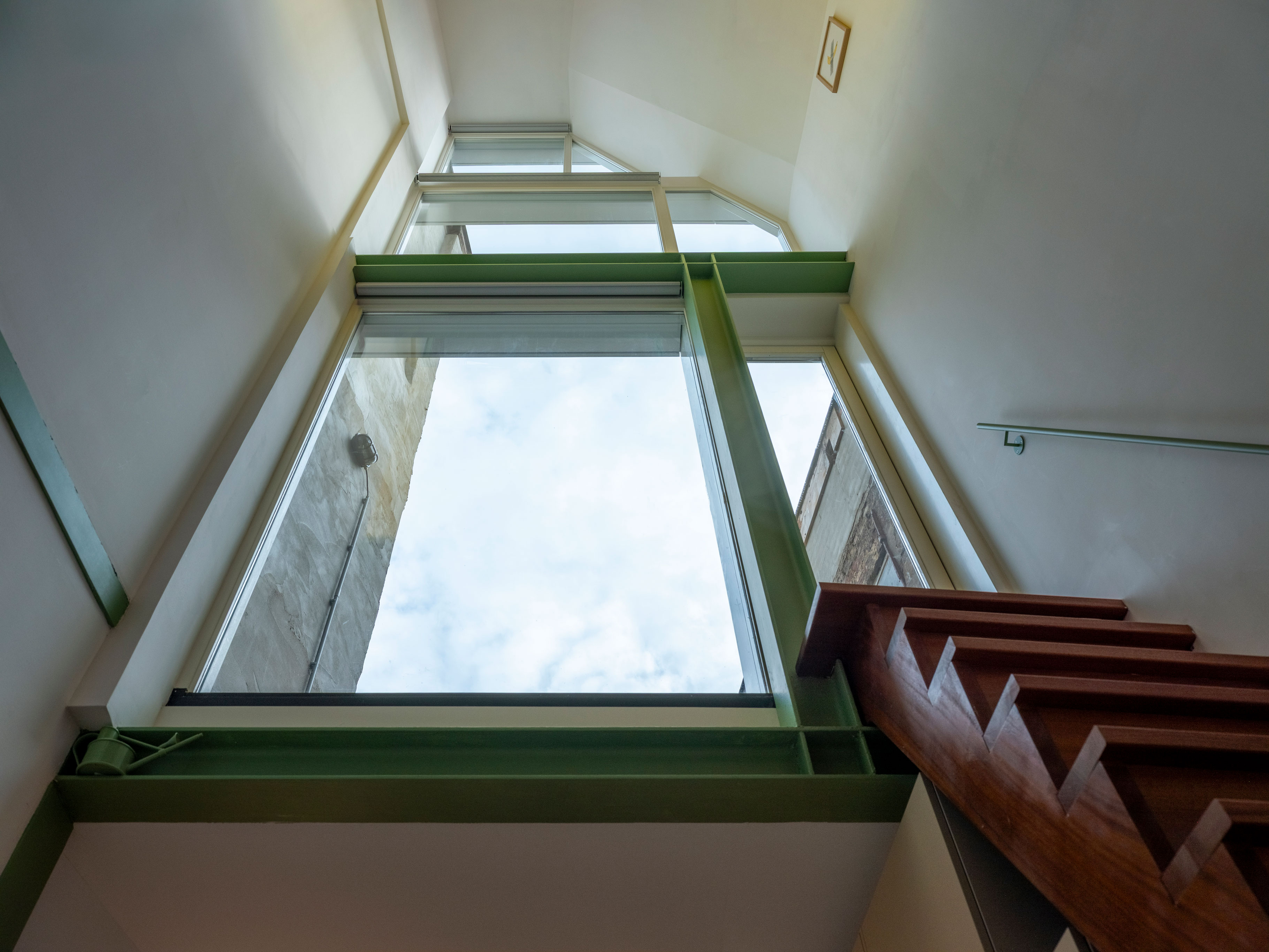
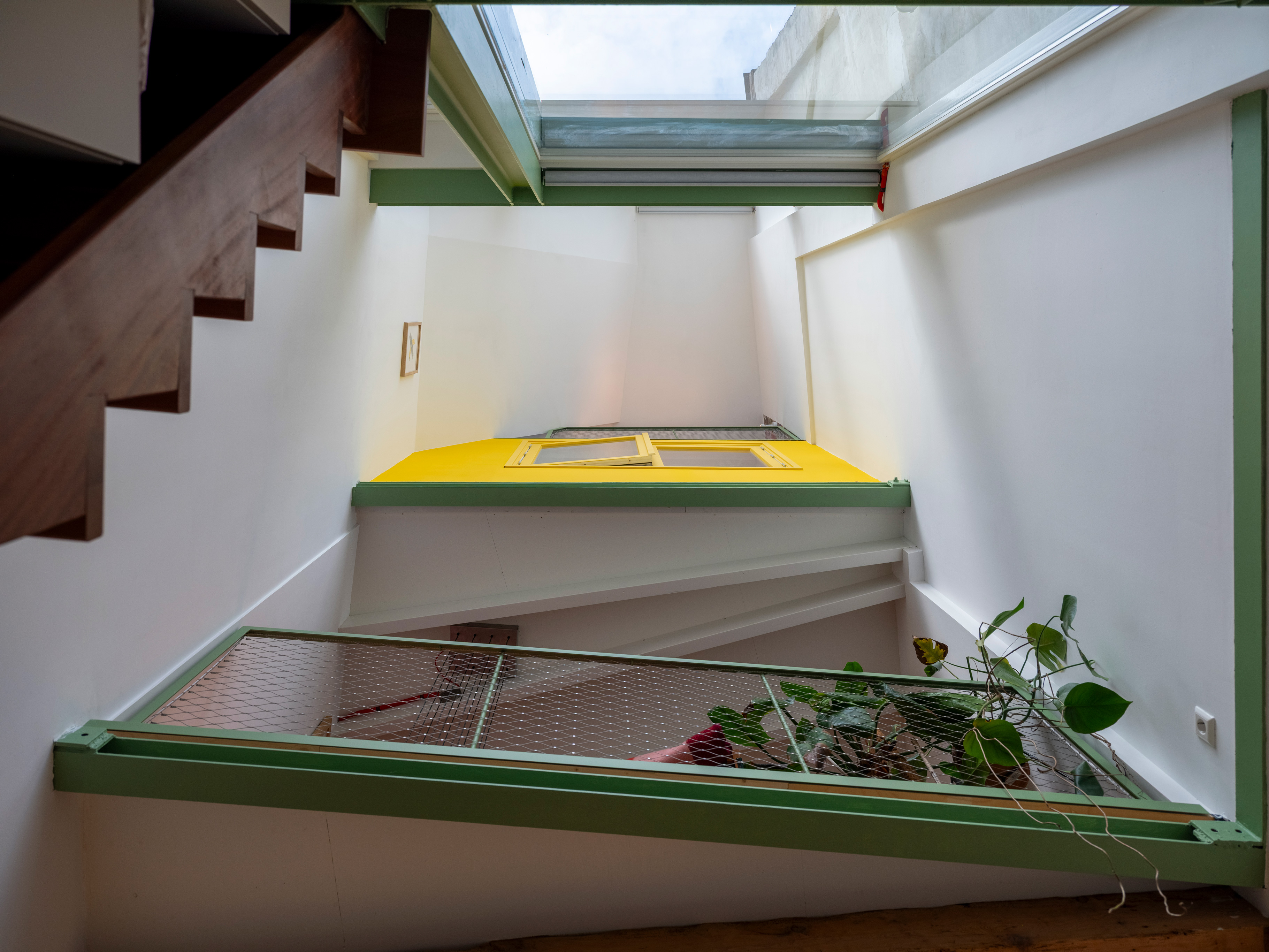
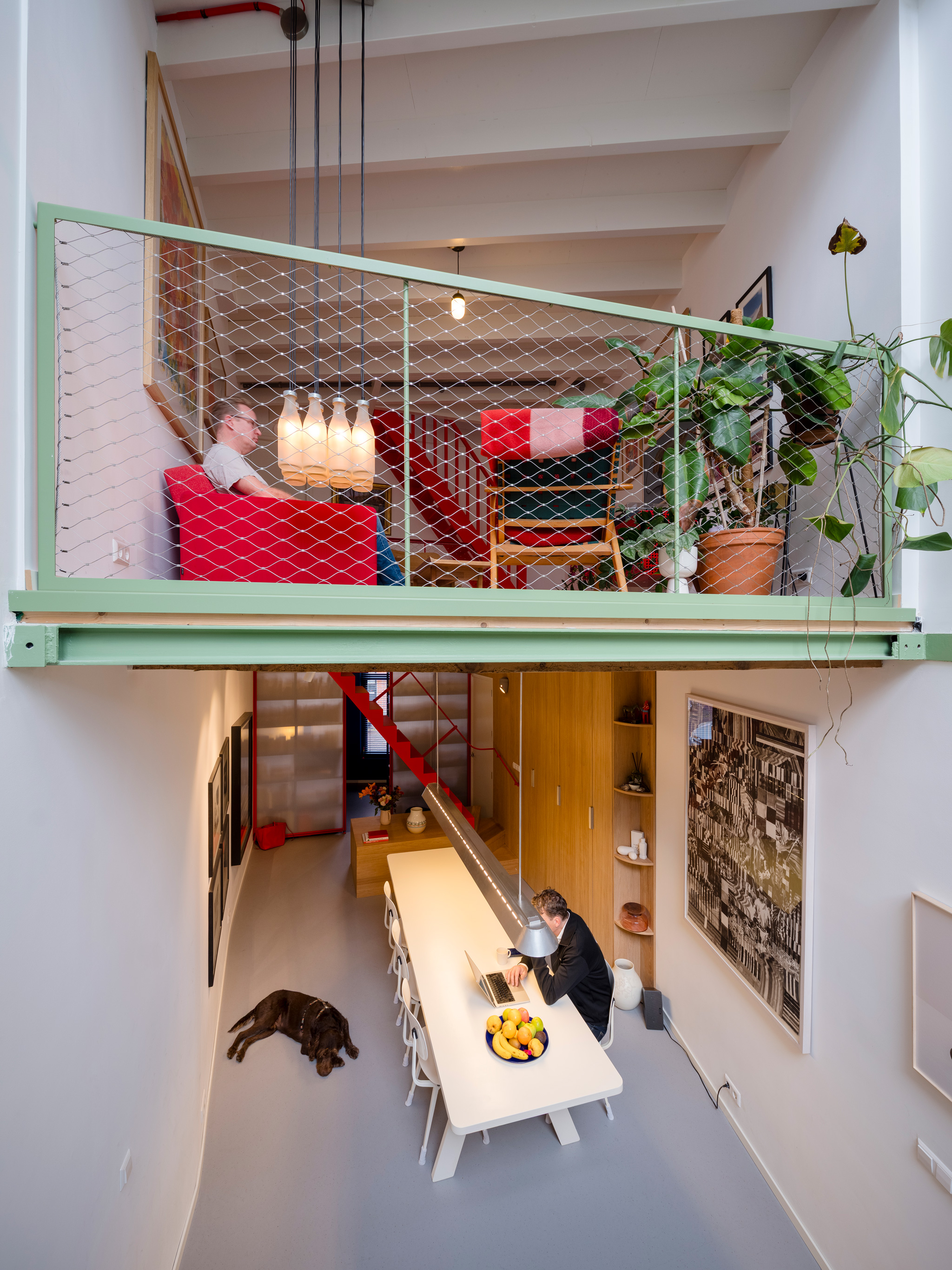
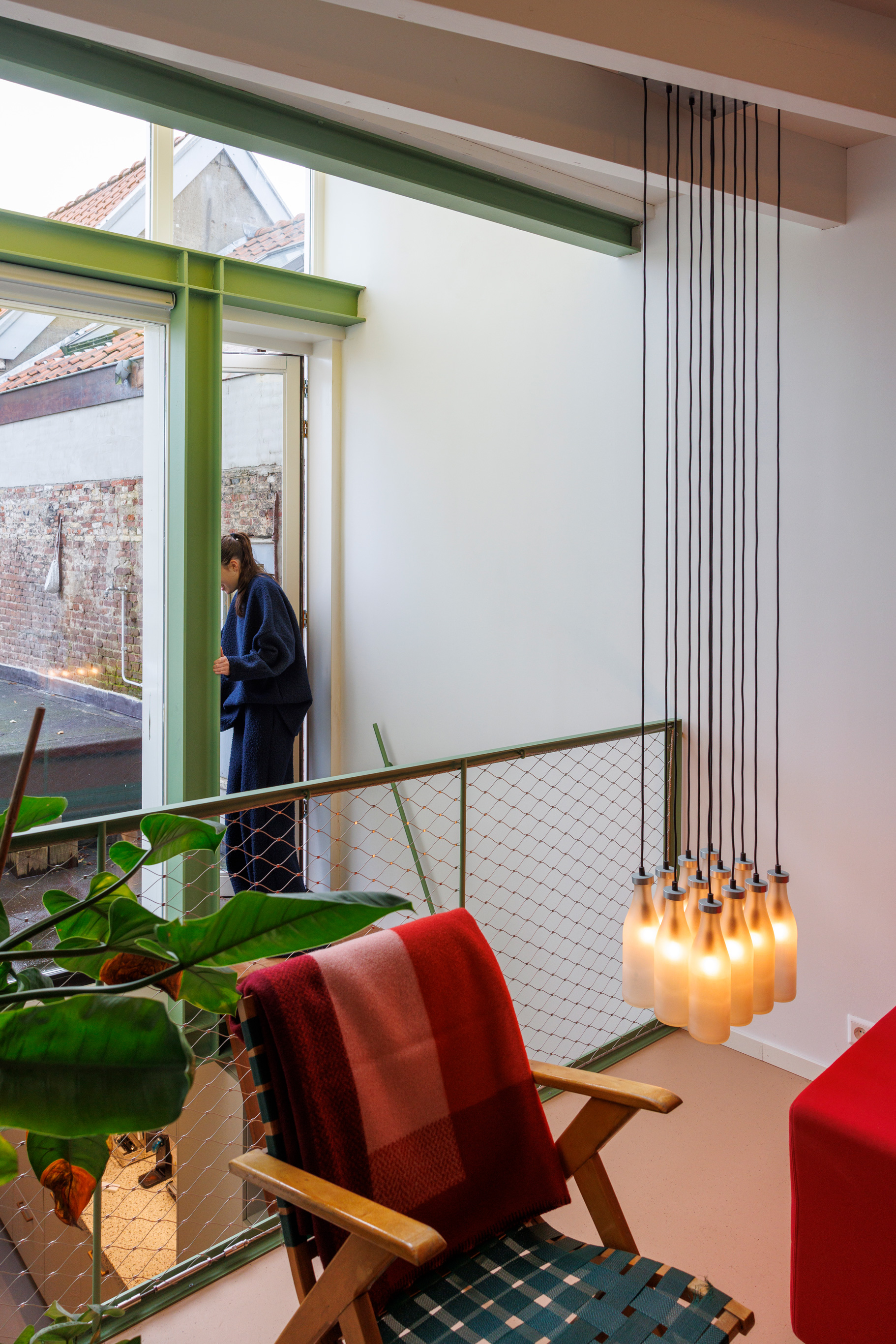
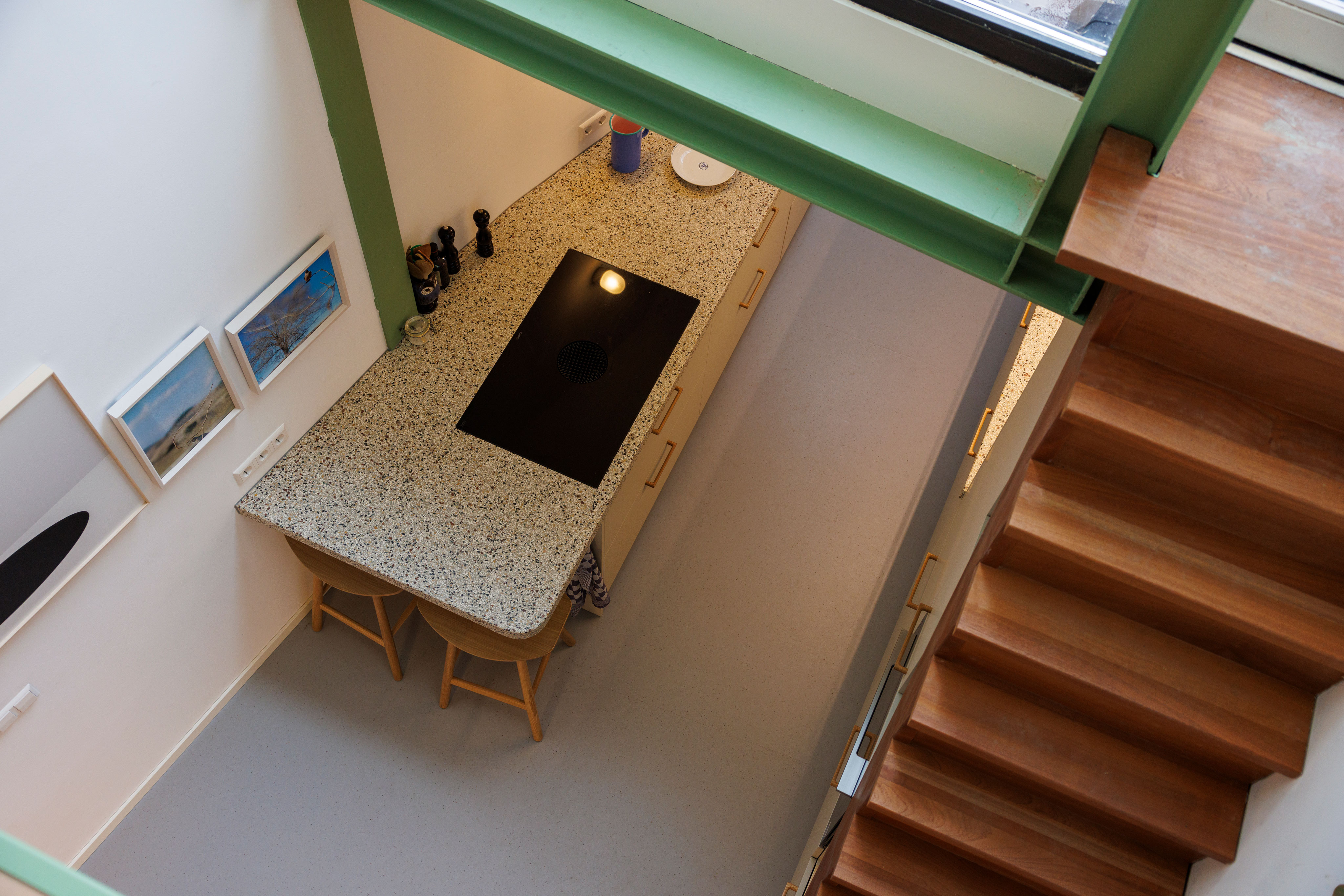
The floor plan is characterized by its wedge-shape where the back part is only two meters wide. Squeezed between the neighboring buildings also meant a lack of daylight and proper connection to the outside court. Opening up the building’s floors and facade where it is the most narrow is the main intervention to bring in the highly needed daylight into the living spaces. This light well also creates new relationships between the various functions: physical and visual. Where previously the house was cramped and claustrophobic, it has now become the surprising and spacious 'internal street' that uses the full eleven meters height of the building.
The floor plan is characterized by its wedge-shape where the back part is only two meters wide. Squeezed between the neighboring buildings also meant a lack of daylight and proper connection to the outside court. Opening up the building’s floors and facade where it is the most narrow is the main intervention to bring in the highly needed daylight into the living spaces. This light well also creates new relationships between the various functions: physical and visual. Where previously the house was cramped and claustrophobic, it has now become the surprising and spacious 'internal street' that uses the full eleven meters height of the building.
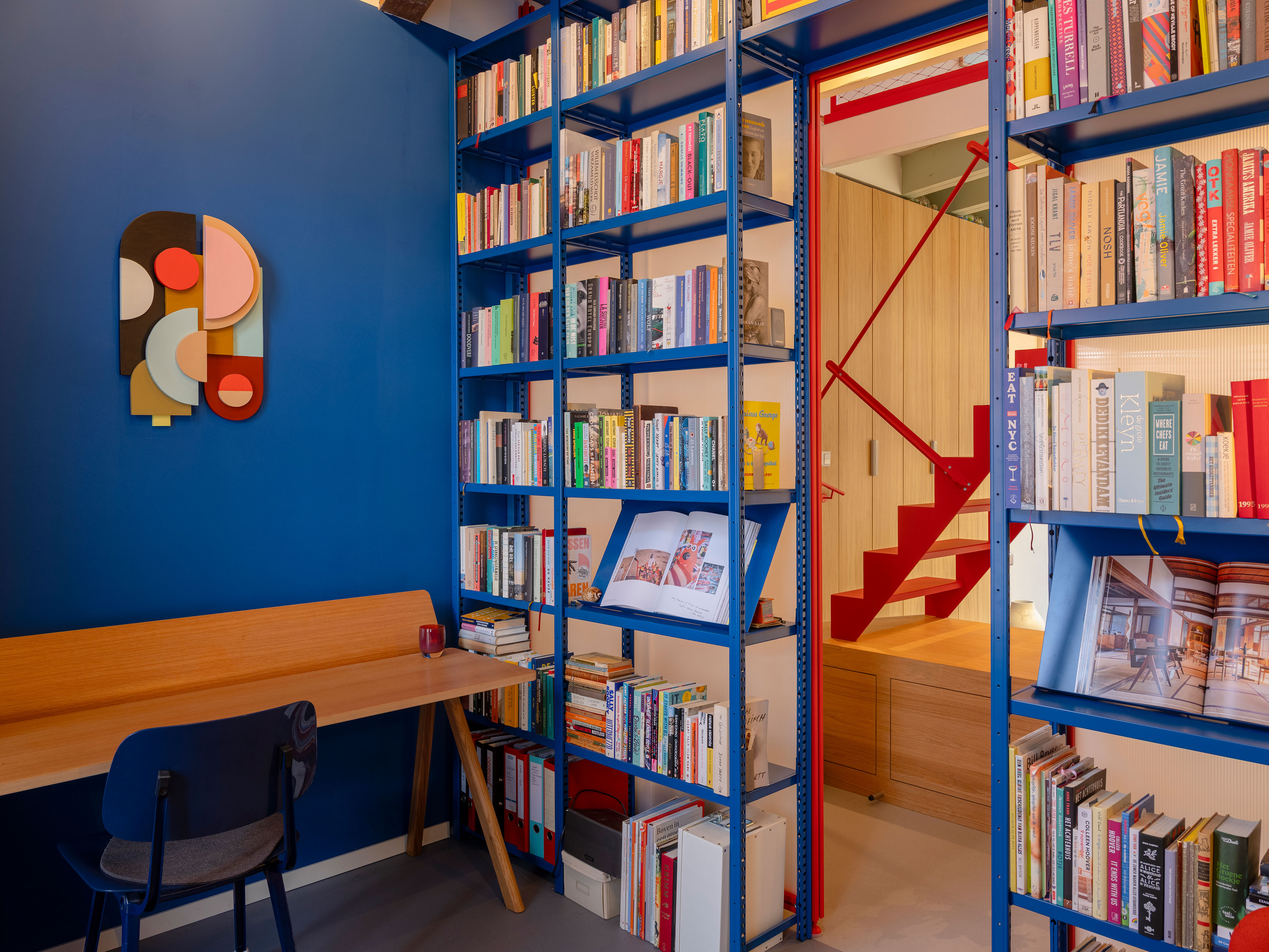
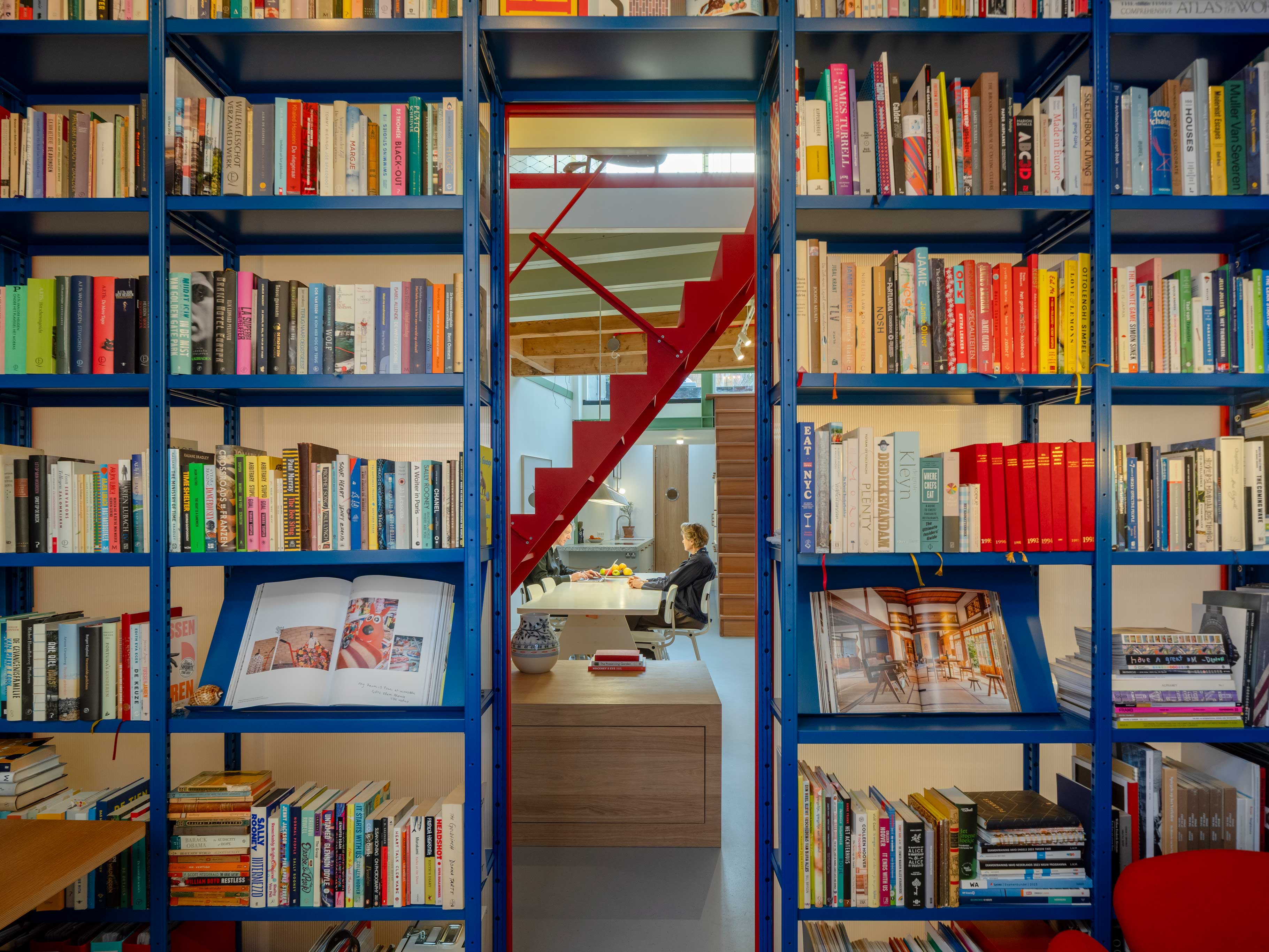
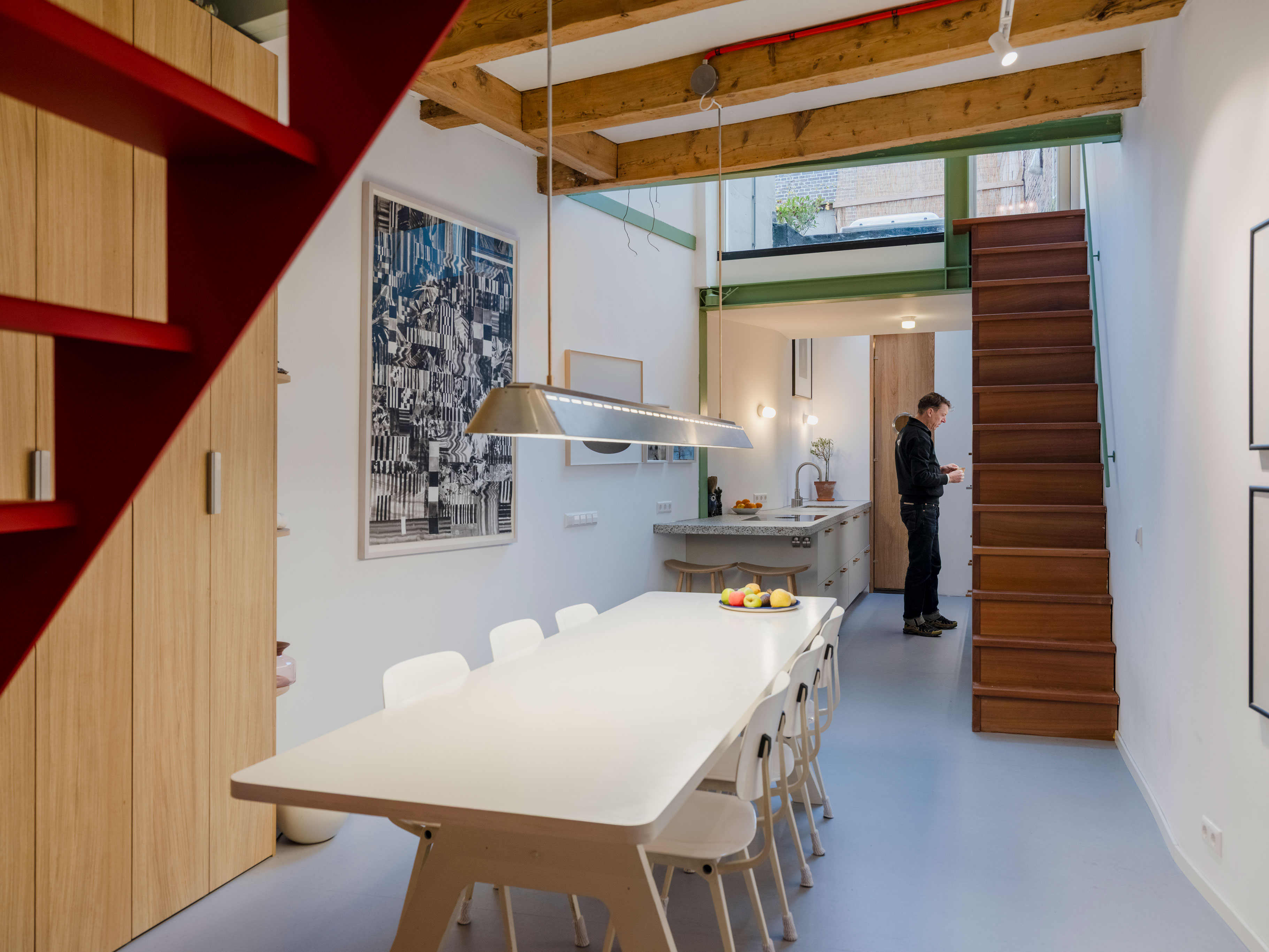
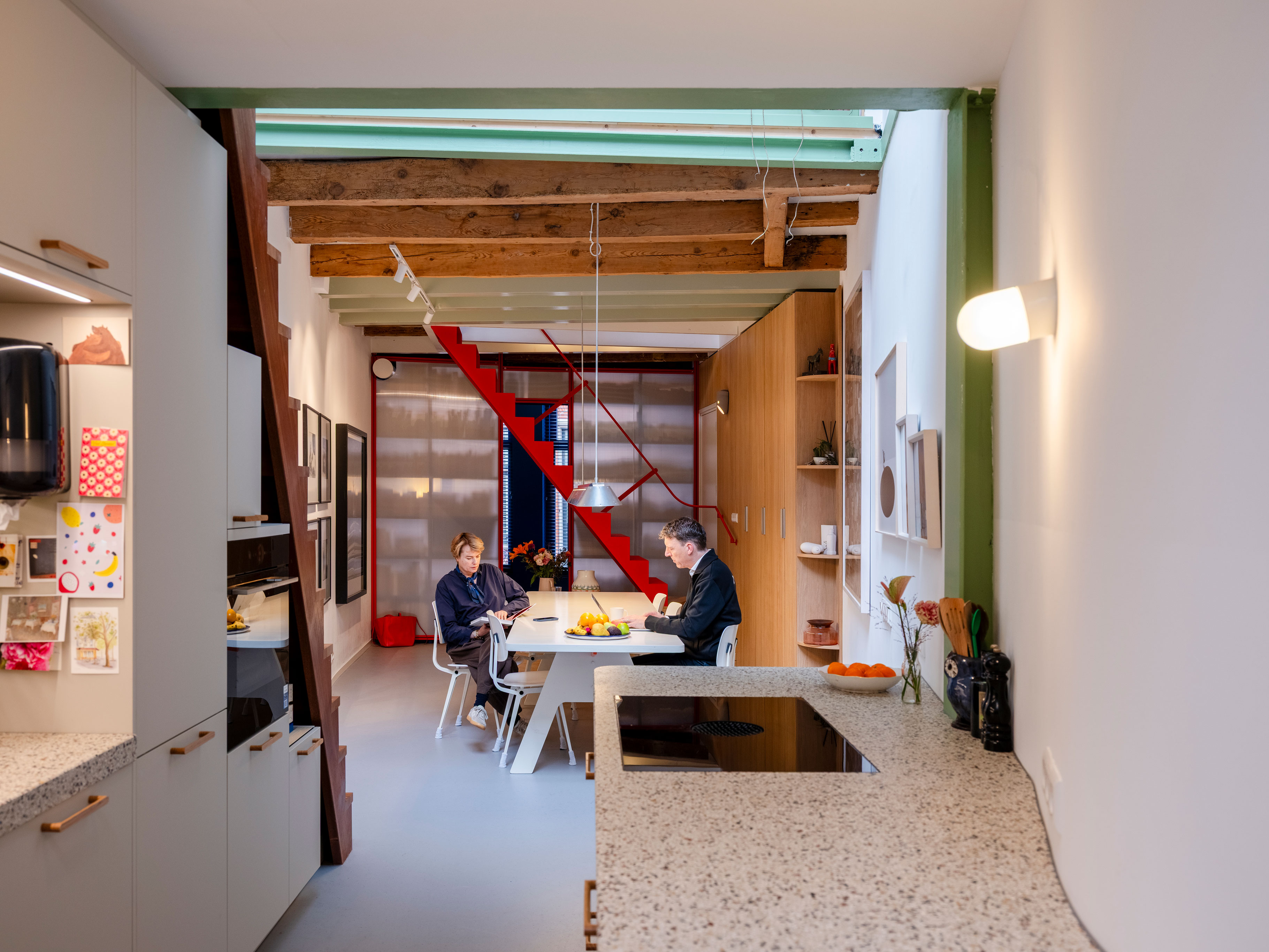
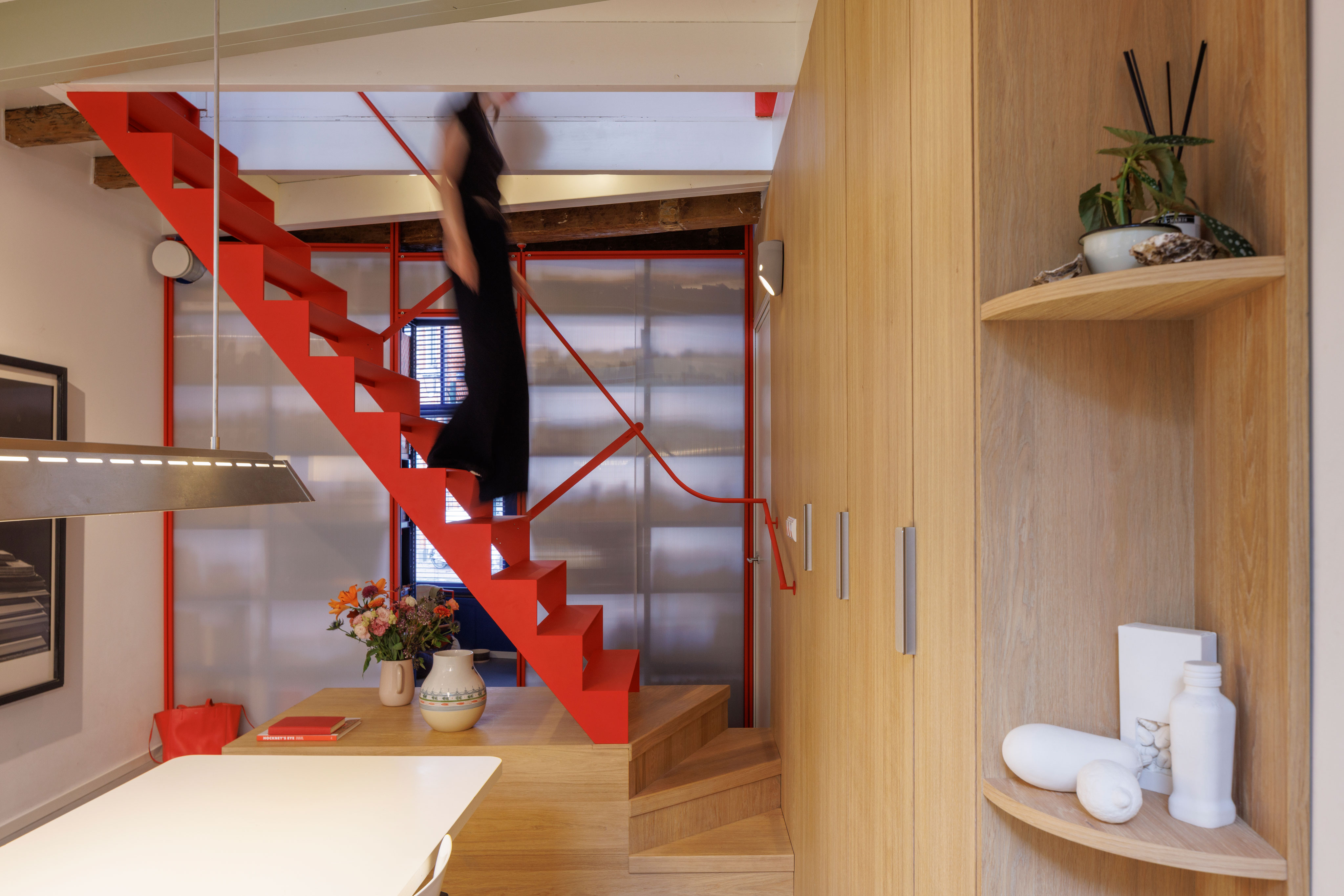
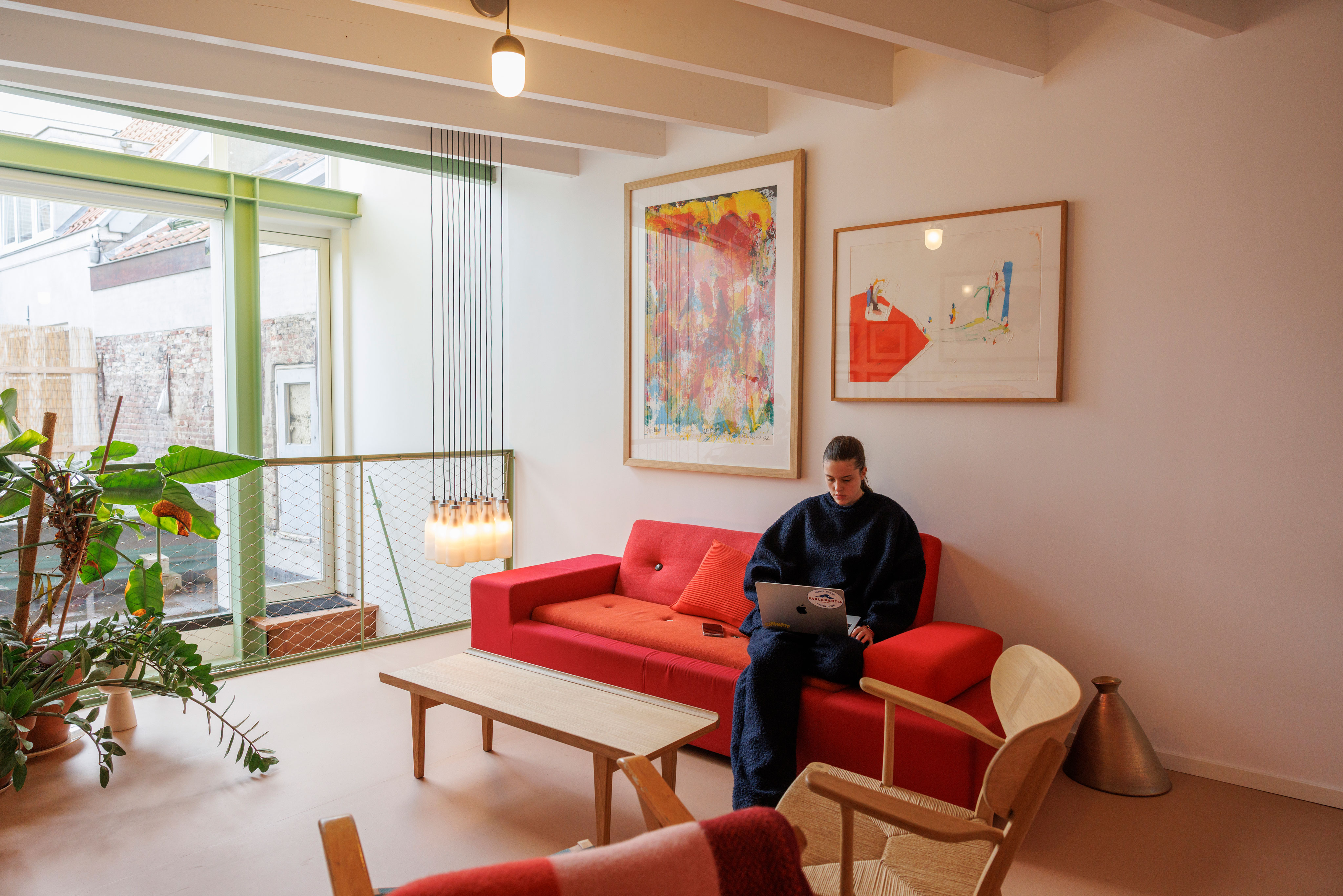
The ground floor is now the active heart of the building, connecting the various functions of the dwelling and the place to come together at the large dining table. It gives access to the small roof terrace above the kitchen and a visual relation with the mezzanine-like living. Where the existing floor beams were the weakest, a new custom-made metal staircase connects the ground floor to the second level, serving as both a sculptural centerpiece as a circulation spine.
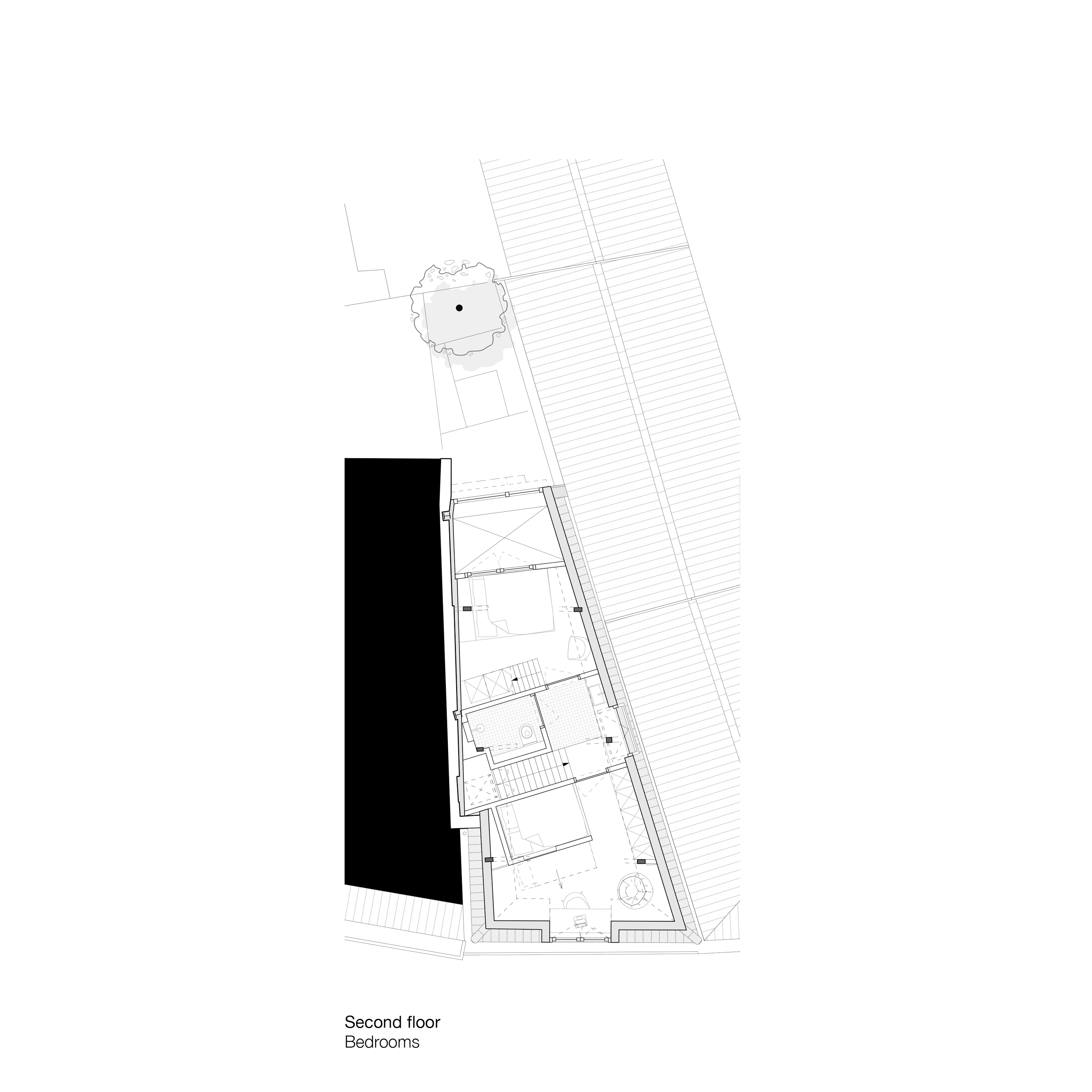
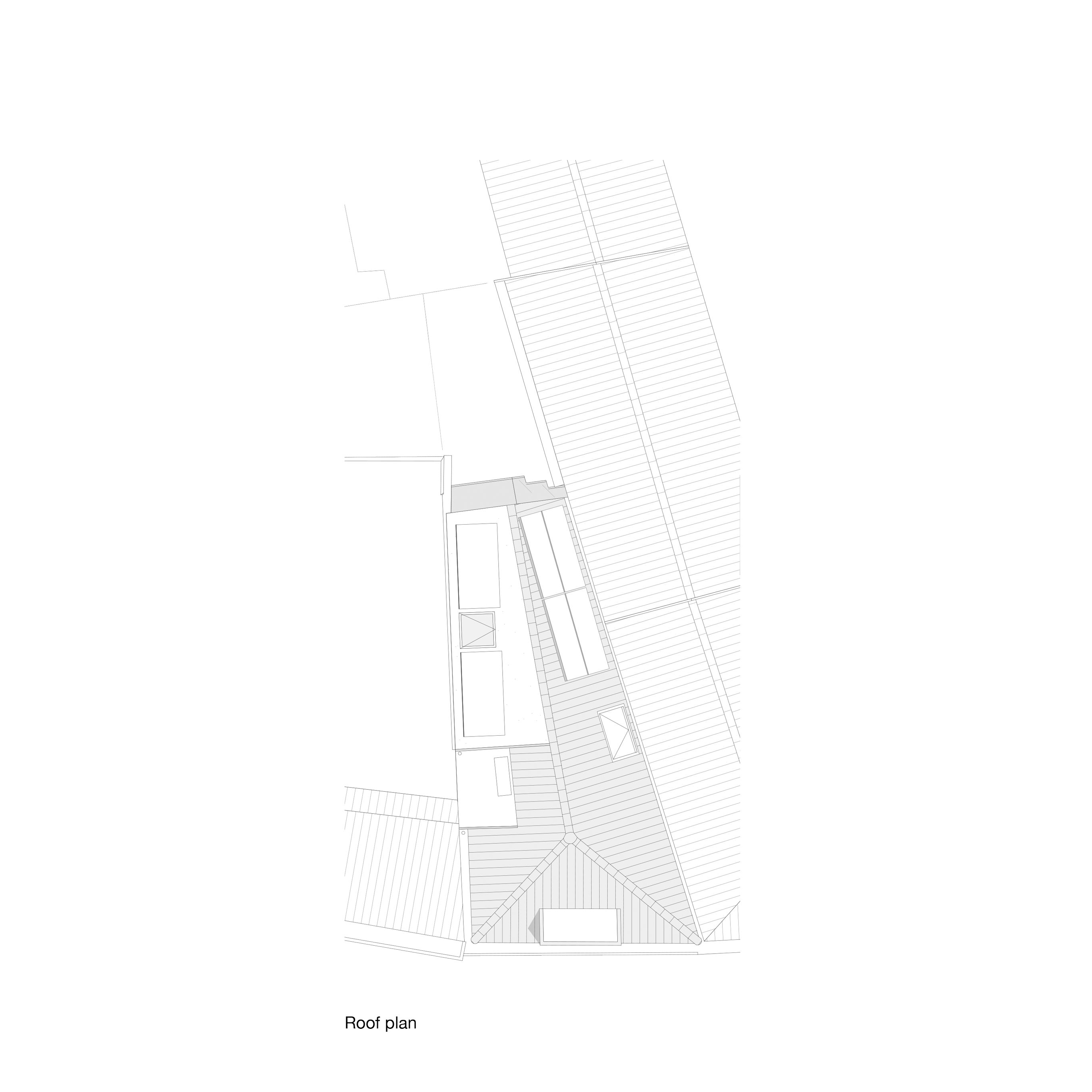
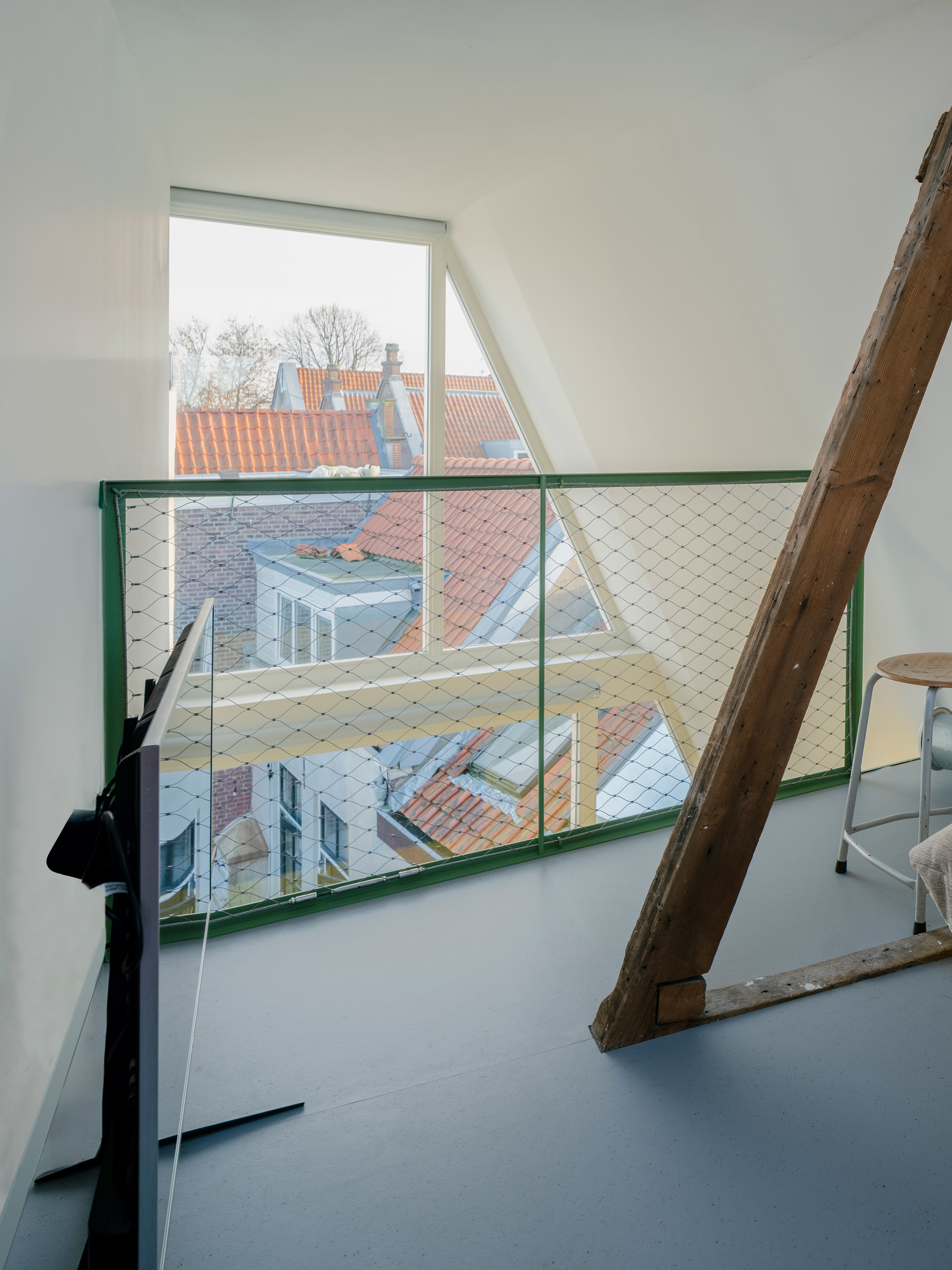
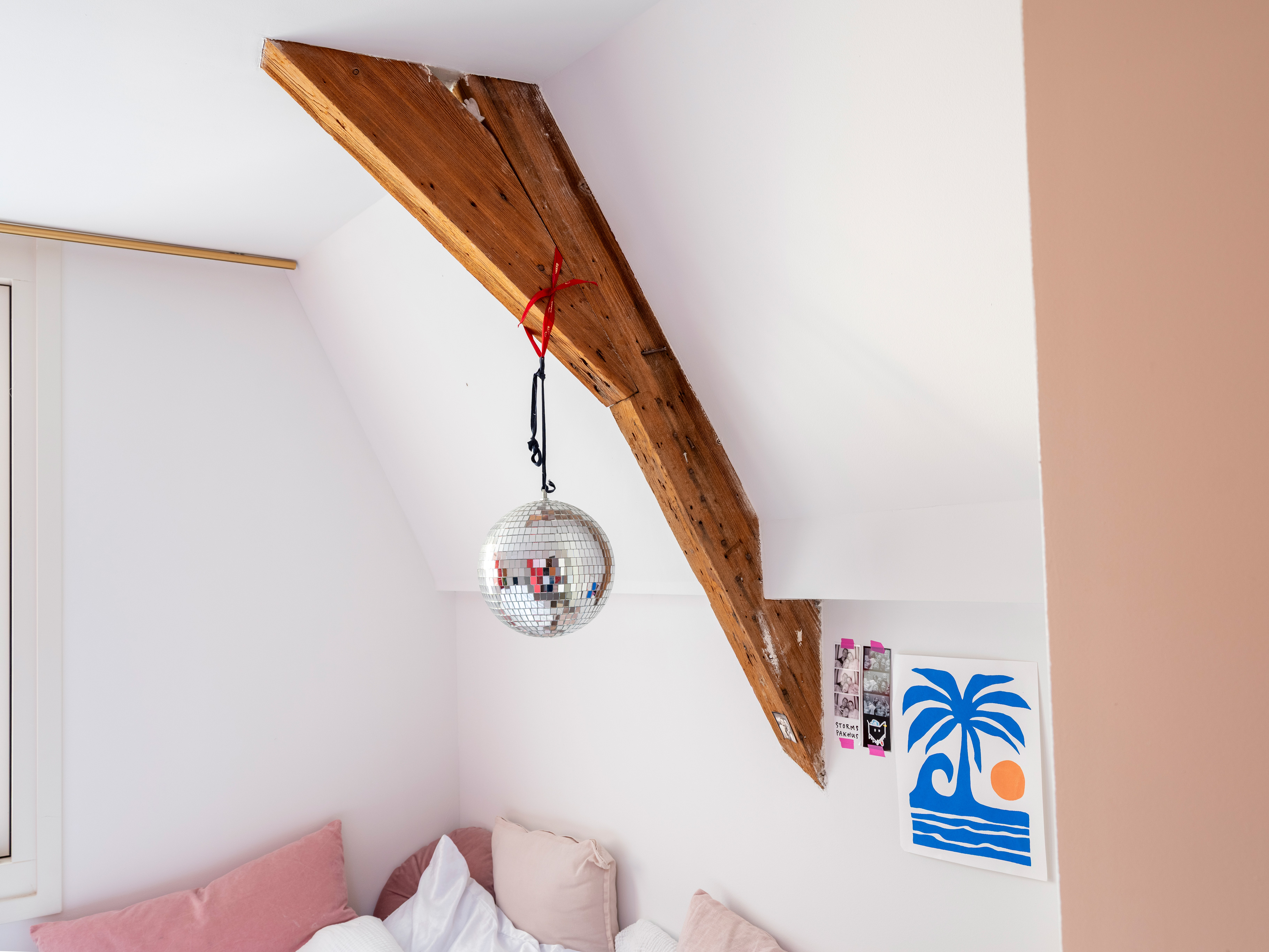
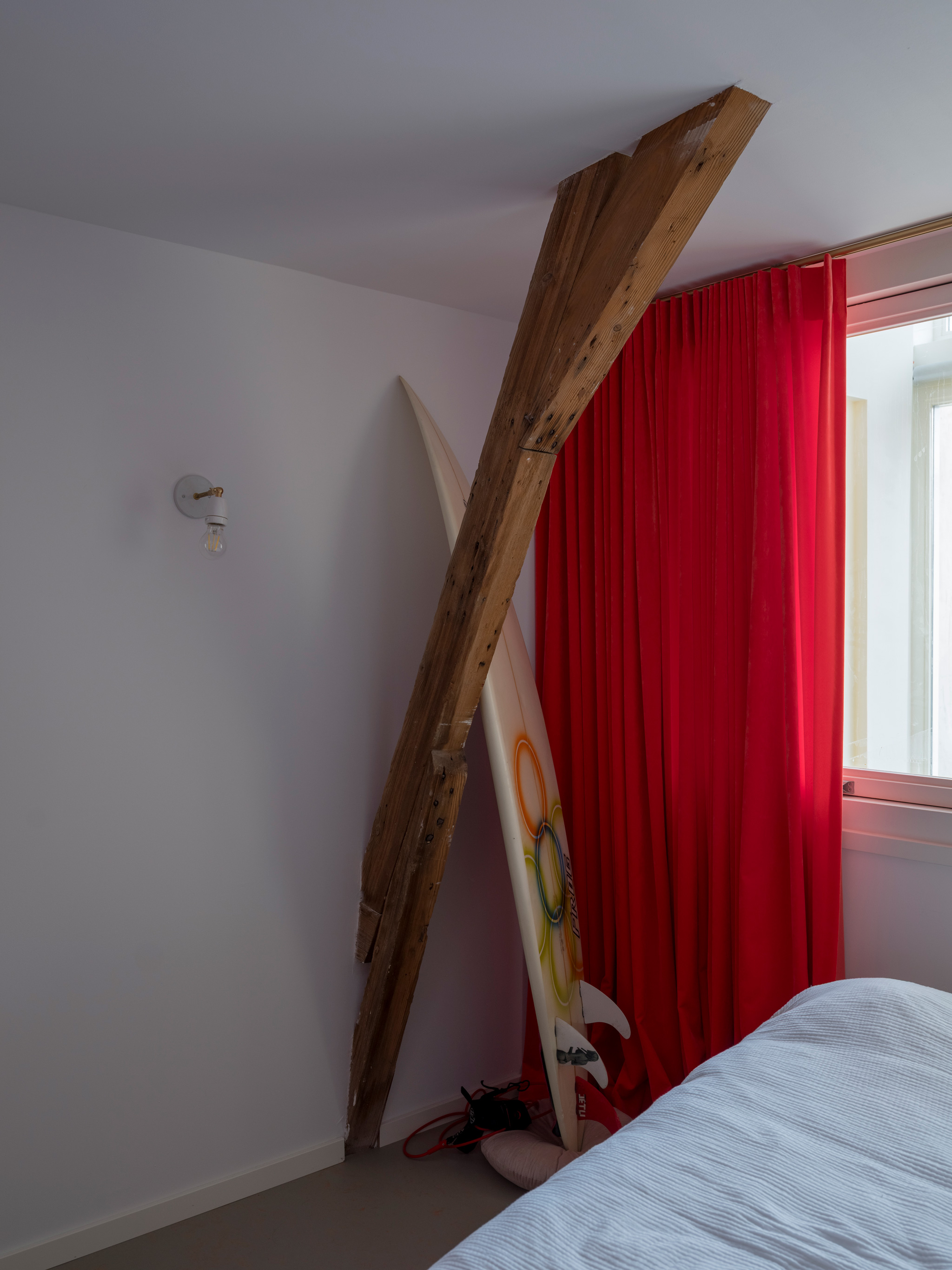
Because of the poor condition of the monumental wooden trusses, a new structural and insulated roof was needed, leaving the historical parts visible as museum pieces on the clean outer shell. The top floor houses 'the observatory' which has views over the historical centre of Haarlem. The whole project was done in close collaboration with the clients, who are passionate about contemporary art and design. This created an outspoken dwelling that respects its history and embraces the future in a colorful balance.
Because of the poor condition of the monumental wooden trusses, a new structural and insulated roof was needed, leaving the historical parts visible as museum pieces on the clean outer shell. The top floor houses 'the observatory' which has views over the historical centre of Haarlem. The whole project was done in close collaboration with the clients, who are passionate about contemporary art and design. This created an outspoken dwelling that respects its history and embraces the future in a colorful balance.
Photographer Jordi Huisman
Structural engineer De Ingenieursgroep
Sustainability Groene Den
Project management Lenco
Contractor Bouwop
Interior The Set Company
Structural engineer De Ingenieursgroep
Sustainability Groene Den
Project management Lenco
Contractor Bouwop
Interior The Set Company